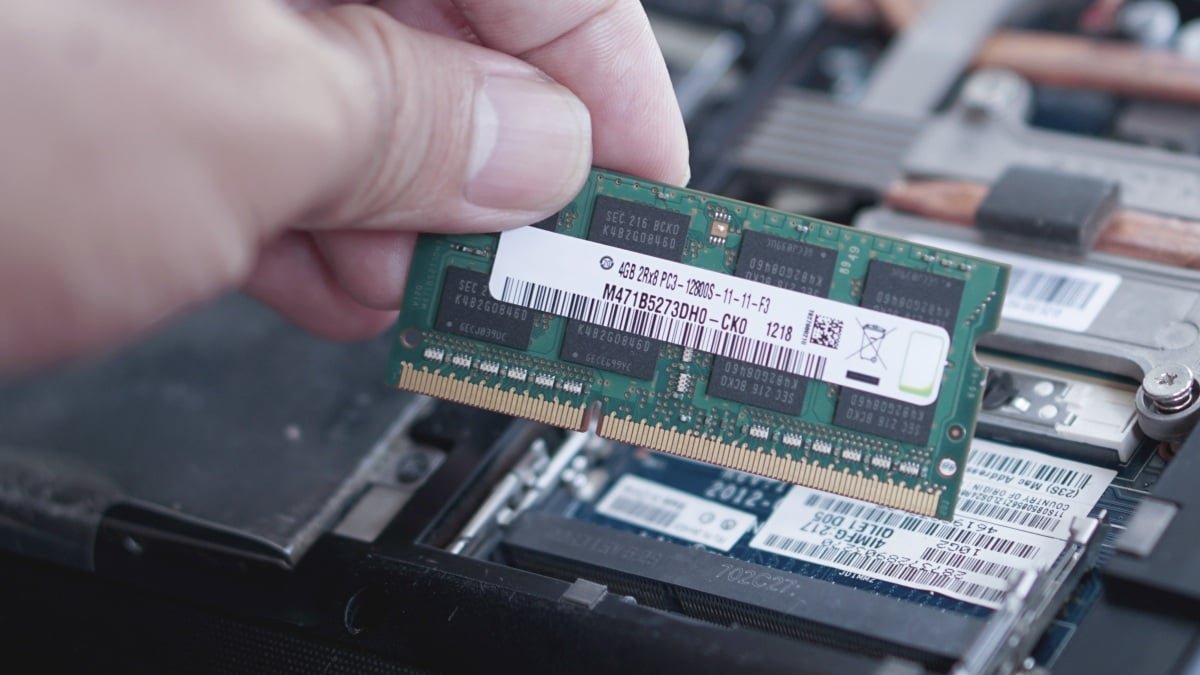
Nikkei Asia has some bad news for anyone hoping for RAM prices to fall anytime soon: The outlet reported on Friday that the global shortage of memory chips will likely continue until around 2027. According to Nikkei, U.S. and South Korean memory suppliers are raising DRAM production, but are only going to be able to meet about 60% of the demand. What’s more, the current conflicts in the Middle East are making electricity and other relevant goods more expensive. Even Samsung, which is launching a fourth RAM plant this year, won’t be at full-scale production until at least 2027, if not later.
The memory crisis is ongoing
Part of the problem is split production needs: Samsung’s fourth plant needs to make logic chips for computing as well, which means it can’t use all of its resources to develop memory chips. And while the company is also building a fifth plant, that location will be designated for producing advanced high-bandwidth memory (HMB), a specific type of memory used for AI semiconductors. That could lower the demand for more general use RAM, but Nikkei reports that this fifth plant will not begin running until 2028 or later. Nikkei reports that memory prices for the first three months of this year are up 90% on the quarter.
A silver lining though: SK Hynix, the second-largest memory chip producer in the world, is currently producing HMB chips, and has been since February. SK Hynix is also on track to start producing in a new plant in Seoul by February 2027, which is three months earlier than previous estimates. That said, Nikkei says this is the only production increase among the big three memory companies, which include SK Hynix, Samsung, and Micron Technology (based in the U.S.) For its part, Micron will start producing in both Idaho as well as Singapore in 2027. Taken together, these three companies control 90% of the global DRAM, and are the only companies that can make HBM.
Nikkei cites Counterpoint Research, which estimates that these companies would need to increase production by 12% per year through 2027 in order to fix the RAM shortage. Right now, it reports that growth looks to be about 7.5%. As such, the issue may not return to normal until sometime next year.
What do you think so far?
The RAM shortage affects everything
This news is disappointing, especially following positive developments in late March. Back then, we saw prices for RAM kits drop slightly—still far above historic lows, but $30 to $45 reductions in a time when the biggest AI companies on the planet were buying up as much RAM as possible. But following Nikkei’s reporting, general prices likely won’t fall (or stop rising) for at least another year and a half.
Unfortunately, that has implications for everything that uses RAM, not just the RAM itself. While those who build or work with computers will notice the strain on RAM hardware, there’s a long list of consumer devices that will continue to be impacted here as well. Smartphones, laptops, smart glasses, tablets, gaming consoles, cars: If it runs on a computer, it uses RAM. Coupled with market instability across the globe, expect prices on devices you buy to increase in tandem. This perfect storm likely caused Sony to raise prices on the PlayStation consoles and handhelds, for example.