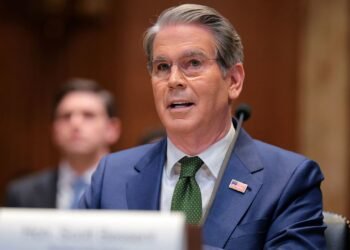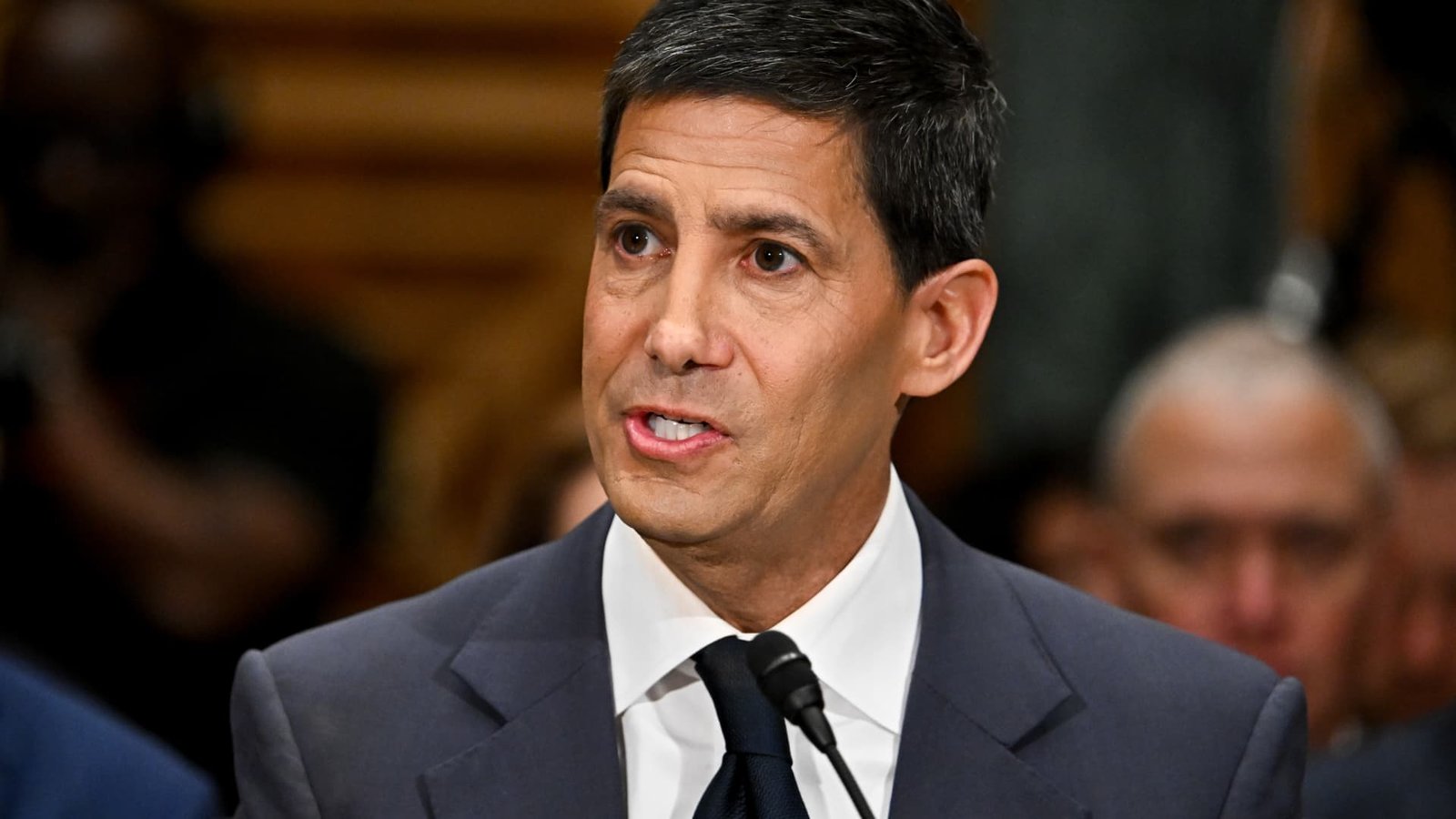
Kevin Warsh made his case for becoming chairman of the Federal Reserve at a hearing before the Senate Banking Committee on Tuesday. A change in Fed leadership could have far-reaching consequences for consumers’ borrowing costs, experts say.
The Fed chair nominee — and President Donald Trump’s pick to replace current Chair Jerome Powell — spoke to senators about his approach to rate setting as a preferred lever for fighting inflation.
Among the various methods at the central bank’s disposal to promote maximum employment and keep prices stable, “the Fed has an interest rate tool and a balance sheet tool,” Warsh said at the hearing on Tuesday. “My view is, the interest rate tool gets in the cracks, it’s fairer.”
The Fed sets the interest rate, called the Fed funds rate, that banks charge each other for overnight lending. That rate then affects many consumer borrowing and savings rates.
How the Fed affects your finances
Generally, short-term rates, such as credit card rates, are closely pegged to the Fed’s benchmark. Longer-term rates, such as mortgage rates, are more influenced by inflation and other economic factors.
When the Fed raises its benchmark rate, borrowing becomes more expensive for consumers and businesses, which can cool the economy and, in turn, inflation. Cutting the rate can spur spending and boost the economy, but also fuel higher prices.
Both high interest rates and high prices can hurt consumers, so the Fed’s moves require a delicate balance.
Kevin Warsh, President Donald Trump’s nominee to lead the Federal Reserve, during a Senate Banking, Housing, and Urban Affairs Committee confirmation hearing in Washington, April 21, 2026.
Graeme Sloan | Bloomberg | Getty Images
If confirmed, Warsh, a former Fed governor with a Wall Street background, will take over when Powell’s term ends next month.
Trump has repeatedly berated Powell for not bringing the Fed’s benchmark down, and has argued that rates should be sharply lower. Trump has said that keeping the federal funds rate elevated puts the U.S. at an economic disadvantage to countries with lower rates.
“We should have the lowest interest rate in the world,” Trump said on CNBC’s “Squawk Box” on Tuesday.
In the interview with CNBC, Trump said he would be “disappointed” if a Warsh-led Fed did not deliver on lower rates.
“We are seeing signs that there is a desire to really shift the Fed into surrendering more control to the White House and the Treasury Department,” said Rohit Chopra, former director of the Consumer Financial Protection Bureau. Chopra is also an ally of Sen. Elizabeth Warren, D-Mass., who grilled Warsh on his independence from Trump at the hearing Tuesday.
Trump’s influence
During the hearing, Warren and other lawmakers questioned whether Warsh would be able to withstand pressure from Trump to lower interest rates.
Warsh said the central bank must remain largely independent of political influence. “Monetary policy independence is essential,” he said in his prepared remarks. “Monetary policymakers must act in the nation’s interest, their decisions the product of analytic rigor, meaningful deliberation, and unclouded decision-making.”
Independent of any concerns about Warsh’s views, the nomination may take a while to get out of committee. For now, Sen. Thom Tillis, R-N.C., has vowed to block the nomination while an investigation is ongoing into Powell’s renovations at Fed headquarters.
Up next: The April Fed meeting
The central bank has indicated that its goal of stabilizing prices and maximizing employment is the reason policymakers don’t want to ease up too soon and lower rates. The Iran war and Trump’s tariff agenda have also complicated the economic picture.
“There’s no question that higher prices of oil are going to filter their way through the economy,” Chopra said.
Ahead of next week’s two-day meeting of its Federal Open Market Committee, the Fed is widely expected to keep its benchmark interest rate unchanged.
“The Fed is not going to change interest rates next week, and they may not change interest rates for the rest of the year,” said certified financial planner Stephen Kates, a financial analyst at Bankrate.
Even under new leadership, “the people on the committee are not suddenly going to completely change their tune,” Kates said. “There are serious concerns among the members about inflation.”