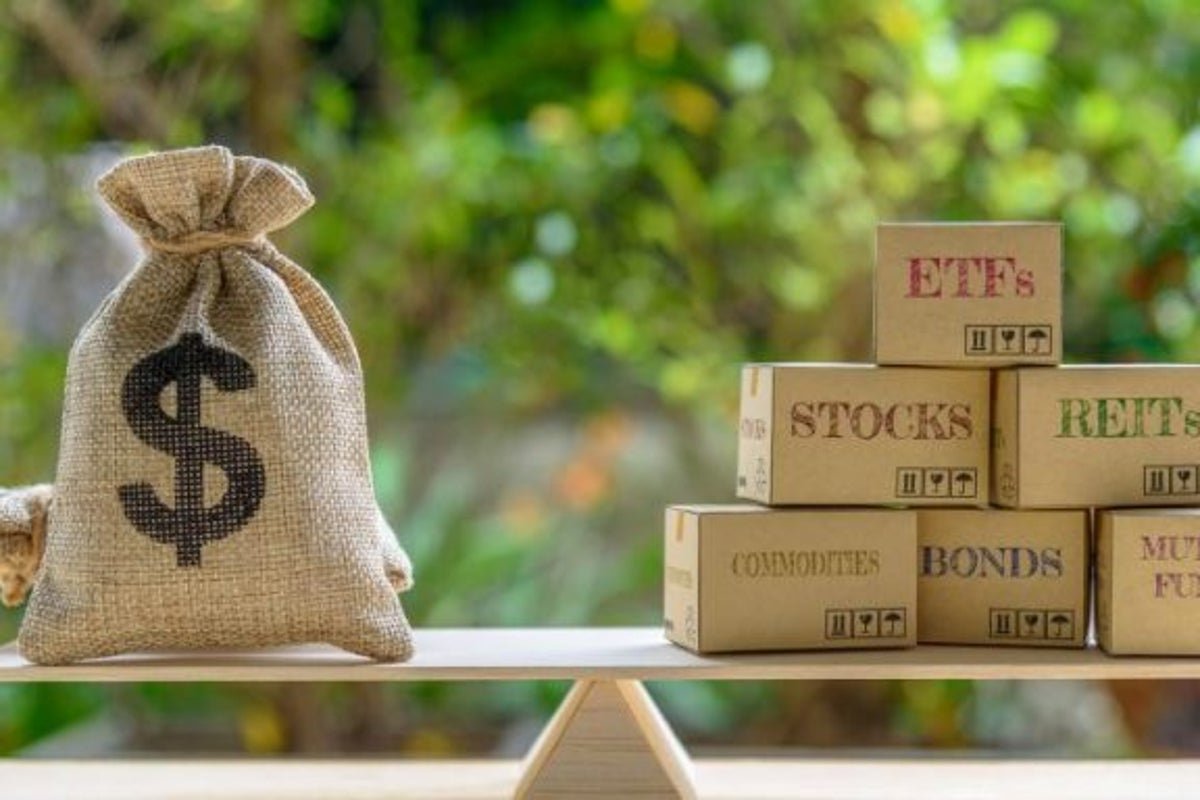
Art has long been the asset of high-net-worth individuals. But increasingly, investors are looking to invest in art through funds or exchange-traded funds (ETFs). ETFs are investment products comprised of a group of stocks or other assets, usually with an underlying theme. You can purchase ETFs made of high-dividend stocks or high growth potential stocks or other specified categories. Is there an art ETF? Although no actual art ETF exists, investors have other ways to add art investments to diversify their investment portfolios. Read on to learn how to invest in art.
Does an Art ETF Exist?
The illiquid nature of artwork and its market make it difficult to create an art ETF. Fund managers can’t just buy more Monet or Degas paintings to meet investor demand. If a large portion of the investors in an art fund wanted to redeem their shares, it would be difficult for a fund manager to sell the Renoir painting or Michelangelo sculpture easily.
However, two major art funds, Masterworks and Yieldstreet, allow you to invest in blue-chip artists whose art historically retains its value. Yieldstreet functions much like an ETF because it is diversified across artwork and artists, acting as an art fund.
With Masterworks, you can invest in individual artwork rather than a bundled package. You can create your own simulation of an ETF by investing a small amount across many pieces of artwork with Masterworks. Which is better? That depends on your preference.
What Are the Benefits of Investing in an Art Fund?
Investing in art funds or fractional art ownership can provide exposure to the art market without having to purchase physical art. It can also provide diversification within a portfolio and potentially higher returns than investing in individual art companies.
What Are the Risks Associated With Investing in Art?
Like any investment, art investments carry risks, including market fluctuations, sector-specific risks and potential management fees. The performance of the art industry relies heavily on factors such as consumer sentiment and economic conditions, which can lead to losses even on blue-chip art.
What is the Average Return on Investment for Art?
The average return on investment for art funds can vary significantly depending on consumer sentiment and market dynamics. According to Forbes, art investments averaged a 14.1% annual return for the past 26 years, but there are no guarantees whether an individual investment will reach similar performance marks.
What Are Art Fund Fees?
Art funds may have higher fees than traditional funds due to appraisal fees or higher fees. Masterworks and Yieldstreet have higher fees than other managed funds.
What Are the Best Art Funds to Invest in?
While there are no art ETFs, both Masterworks and Yieldstreet give investors the opportunity to invest in fractional art ownership as a part of a diverse investment portfolio. Yieldstreet functions more closely to an art ETF, so it could be a good option if you’re looking for a managed art fund.
Things to Consider When Evaluating an Art Fund
Wondering whether an art investment makes sense for you? While there are no art ETFs to choose from, the same factors can apply to any art fund, including building your own art investment portfolio from sites like Masterworks. Here’s what to consider.
1: Fund Structure
Evaluate the management fees and other expenses the fund charges, as these can impact the structure. While Yieldstreet monitors the performance of the artwork in its fund and adjusts to minimize risk and maximize returns to investors, Masterworks is more of a buy-and-hold fund structure.
2: Art Investment Strategy
When investing in art, it’s important to understand whether an art fund aims to replicate the performance of an art market index or if it is actively managed by a portfolio manager. Many art investments focus on blue-chip art, which has more stable returns. You’ll also want to understand the criteria for selecting the art assets, including expected risks and returns.
3: Art Market Exposure
Evaluate the variety of art mediums and genres included in any art fund’s holdings or as you build an art investment portfolio, as this can impact the potential for returns and risk exposure. Is art a good investment? Generally, yes, but you still need to do your research and monitor conditions and risk.
4: Expense and Fee Structure
Management fees charged by art funds tend to be higher. Keep in mind that higher fees can erode your returns over time. Remember to note additional custodial fees associated with holding the underlying art assets.
5: Monitor Ongoing Performance
While art has a historically strong performance, even compared to indexes like the S&P 500, you’ll need to continue to monitor your art portfolio’s performance and adjust accordingly. You can compare individual investments to a broad art market index or an index specific to the art assets in your portfolio.
Art Market Research’s Art 100 Index is commonly used by firms as a benchmark for valuing art. The Art 100 Index tracks sales of 100 artists across various regions, styles and periods from 22 auction houses around the world. It is another indicator that can convey how the global market for artwork is performing and is worth checking to gain an understanding of individual portfolio performance against the broader market.
Comparing an Art ETF vs. Art Stocks
Art ETFs do not exists, but art stocks do. Investors can invest in art funds or stocks with fractional ownership. It’s clear that if an art ETF was structured in the future, many investors would be interested in the opportunity to hold art in this way.
Art Investment Opportunities
With growing interest in art fractional ownership and art funds, investors may see more opportunities to invest in art in the future. Whether you choose to invest in a few pieces or a more diversified fund, the principles of investing remain the same: build a diverse portfolio that accounts for your risk tolerance. Looking for a true ETF? Find the best ETFs here.
Frequently Asked Questions
Q
How do I invest in an art ETF?
A
You cannot invest in an art ETF since they don’t exist. However, Yieldstreet offers an art fund, and Masterworks offers fractional art ownership.
Q
Can an art ETF provide a return on investment?
A
There are no art ETFs, but art or fractional art ownership can provide a strong return on investment, depending on the art and market conditions.
Q
How can I identify the right art ETF to invest in?
A
There are no art ETFs but Masterworks or Yieldstreet offer ways to invest in art through fractional art ownership or a fund.