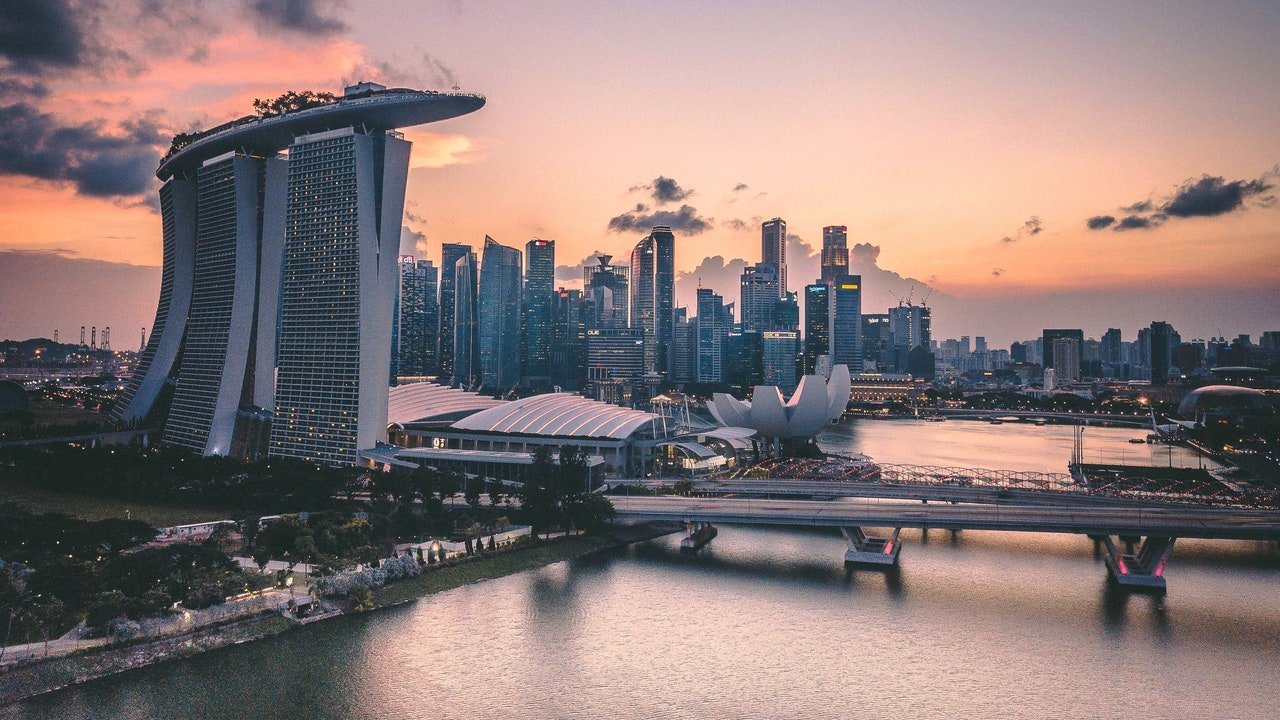
But there’s still a significant global mobility gap between the countries at the top and bottom of the index, and it’s more comprehensive than ever in 2023. Singaporean citizens, for example, can access 165 more destinations than those from Afghanistan. However, only a handful of countries—eight, specifically—can access fewer countries visa-free in 2023 compared to a decade ago.
The biggest climbers might surprise you. “The United Arab Emirates has added 107 destinations to its visa-free score since 2013, resulting in a massive 44-place jump in the ranking over the last 10 years, from 56 to 12. This is almost double the next biggest climber, Colombia, which has risen 28 places in the ranking to 37th place,” comments Dr Christian H. Kaelin, Chairman of Henley & Partners and inventor of the index concept. “Ukraine and China are also among the top 10 countries with the most improved rankings over the past decade.”
The Openness Index is new for 2023
For the first time, Henley & Partners has conducted new research into the relationship between a country’s openness to foreigners (how many nations it allows to cross its borders without a visa) and the travel freedom of its citizens.
The 20 “most open” countries are all small island nations or African states, with the exception of Cambodia, which also makes the list. In 2023, 12 fully open countries offer visa-free or visa-on-arrival entry to the world’s 198 passports. These are Burundi, Comoros Islands, Djibouti, Guinea-Bissau, Maldives, Micronesia, Mozambique, Rwanda, Samoa, Seychelles, Timor-Leste, and Tuvalu. Four countries score zero at the bottom of the Henley Openness Index, allowing no visa-free access for any passport. These are Afghanistan, North Korea, Papua New Guinea, and Turkmenistan. They are followed by five countries that provide visa-free access to fewer than five other nationalities: Libya, Bhutan, Eritrea, Equatorial Guinea, and India.
Interestingly, while US passport holders can access 184 (out of 227) countries without a visa, the United States only allows 44 other nationalities to pass through its borders without a visa, which puts it at 78th place in the openness index. When comparing the two rankings, this disparity between access and openness in the US is the second largest, trailing only Australia and barely surpassing Canada.
Global travel is at around 75 per cent of pre-pandemic levels, and there is no doubt that the top spots will be taking advantage of their passports’ freedom, traveling to some of the most beautiful places in the world and booking trips to the best places to visit in 2023.
Here are the world’s 10 most powerful passports for 2023:
- Singapore (192 locations)
- Germany, Italy, Spain (190 locations)
- Japan, Austria, Finland, France, Luxembourg, South Korea and Sweden (189 locations)
- UK, Denmark, Ireland, and the Netherlands (188 locations)
- Belgium, Czech Republic, Malta, New Zealand, Norway, Portugal, and Switzerland (187 locations)
- Australia, Hungary and Poland (186 locations)
- Canada and Greece (185 locations)
- Lithuania and United States (184 locations)
- Latvia, Slovakia, and Slovenia (183 locations)
- Estonia and Iceland (182 locations)
This article originally appeared on Condé Nast Traveller U.K.