The majority of advice business owners reported a rise in turnover in 2024, and many predict even higher profits for the year ahead.
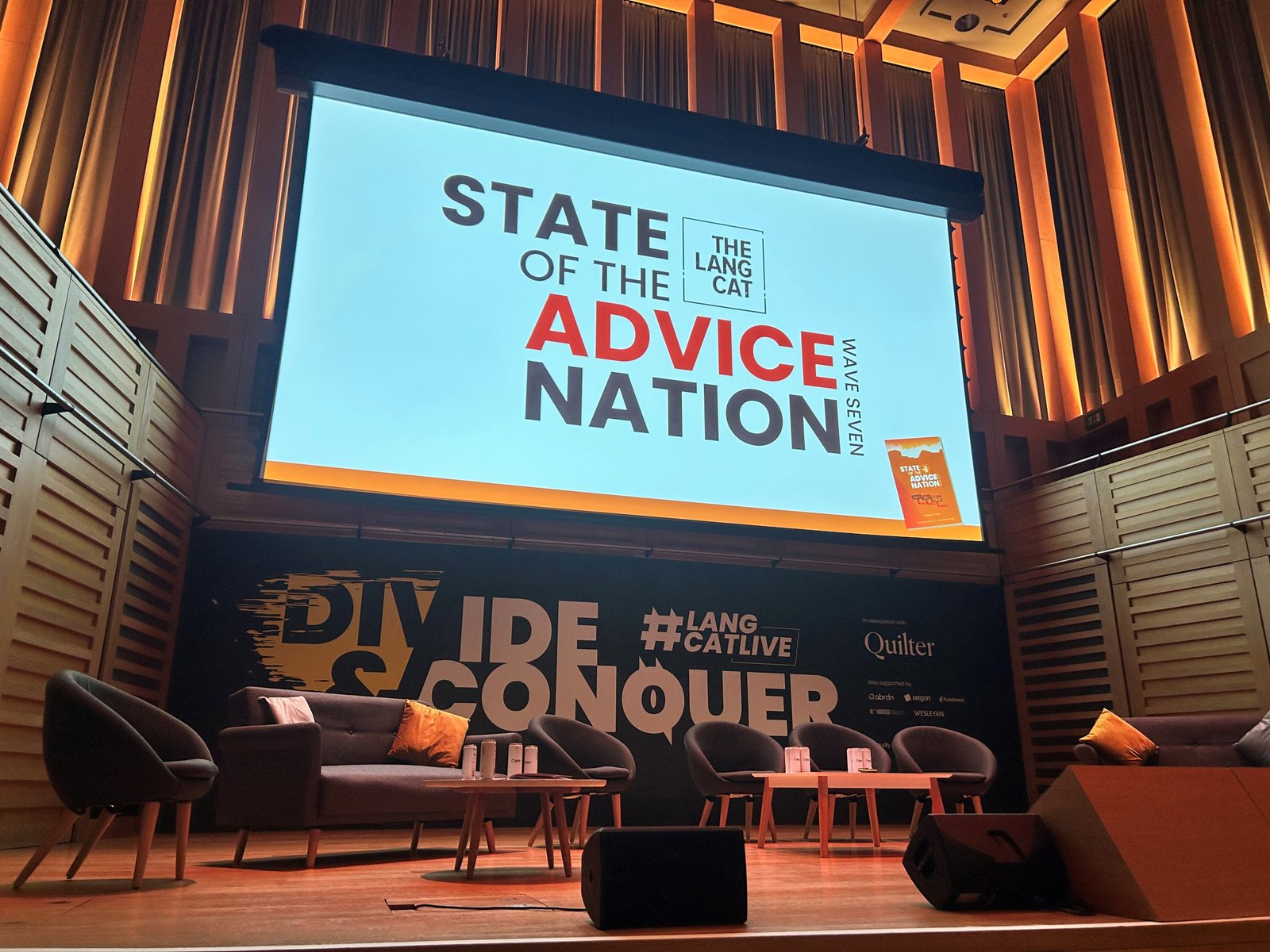
The Lang Cat’s seventh annual State of the Advice Nation (SOTAN) report, published today (6 February), discovered new optimism among adviser firms.
Around 80% reported increased turnover in the past year, while 68% said they predict higher profits for the year ahead. This was an increase of around 50% compared with last year.
Question: Looking at 2024 compared to 2023, what do you expect your profit outlook to look like year on year?
This is the most positive outlook the Lang Cat has seen since 2021 in the wake of post-Covid money flooding into investments, alongside strong market performance.
But while most firms reported a successful year, SOTAN found energy levels across the profession low.
When asked what is keeping business owners awake at night, the fear of further regulation continues to be the most dominant theme for 31% of respondents.
The general consensus is that there is too much regulation, and it is becoming too hard to keep on track.
Advisers’ second major concern is staffing and finding the right people to join their businesses (15%).
Given the efforts being expended by advice firms in implementing regulation, there is clear frustration over what they feel is a lack of progress spanning all the Consumer Duty outcomes. Over 20% rated progress overall as a ‘waste of time’.
This jumps to over 40% for the ‘customer support’ outcome, where firms should monitor if customers feel they are getting the support they need.
Question: Overall, how would you rate sector progress against the following factors?
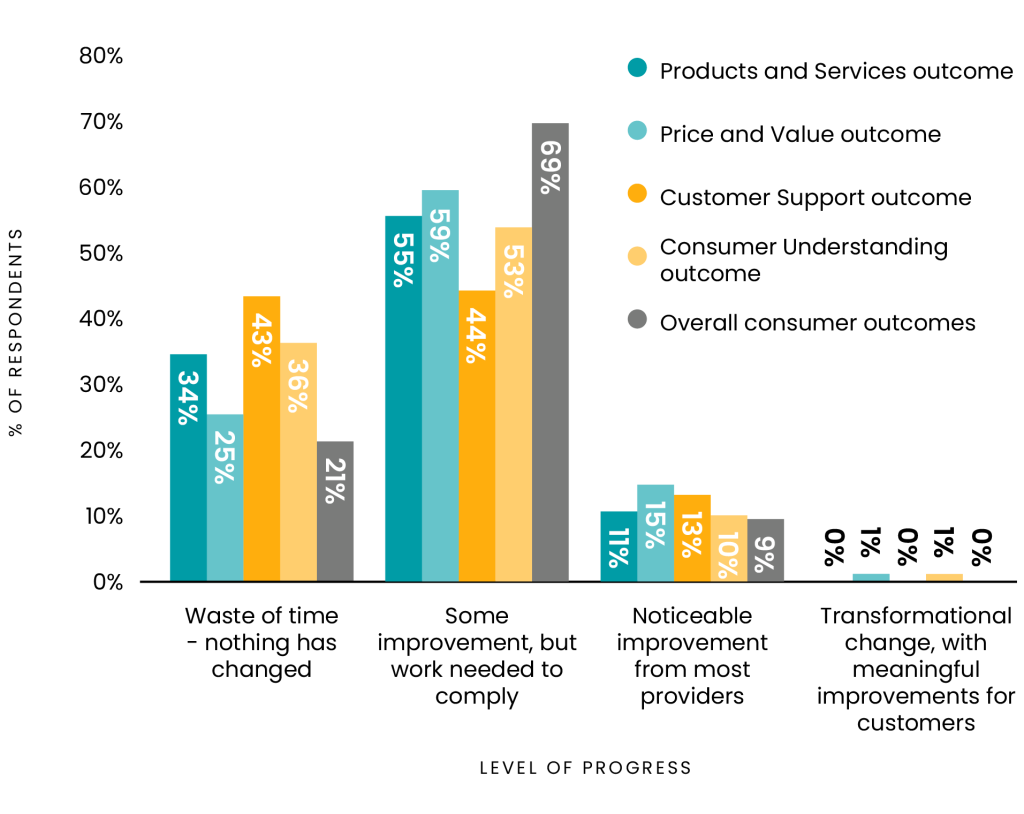
The findings reflect a growing feeling that the regulation has not delivered the positive change intended or had an impact in the right places.
For firms more broadly, 29% say provider inefficiencies present the biggest challenge to their work.
Many respondents emphasised the need for real provider support on key issues like pension transfers and Letters of Authority; changes that would benefit firms, the wider industry and consumers.