Crippling anxiety caused by a period of high inflation – combined with a fear of missing out – is tempting young people into making high-risk investments.
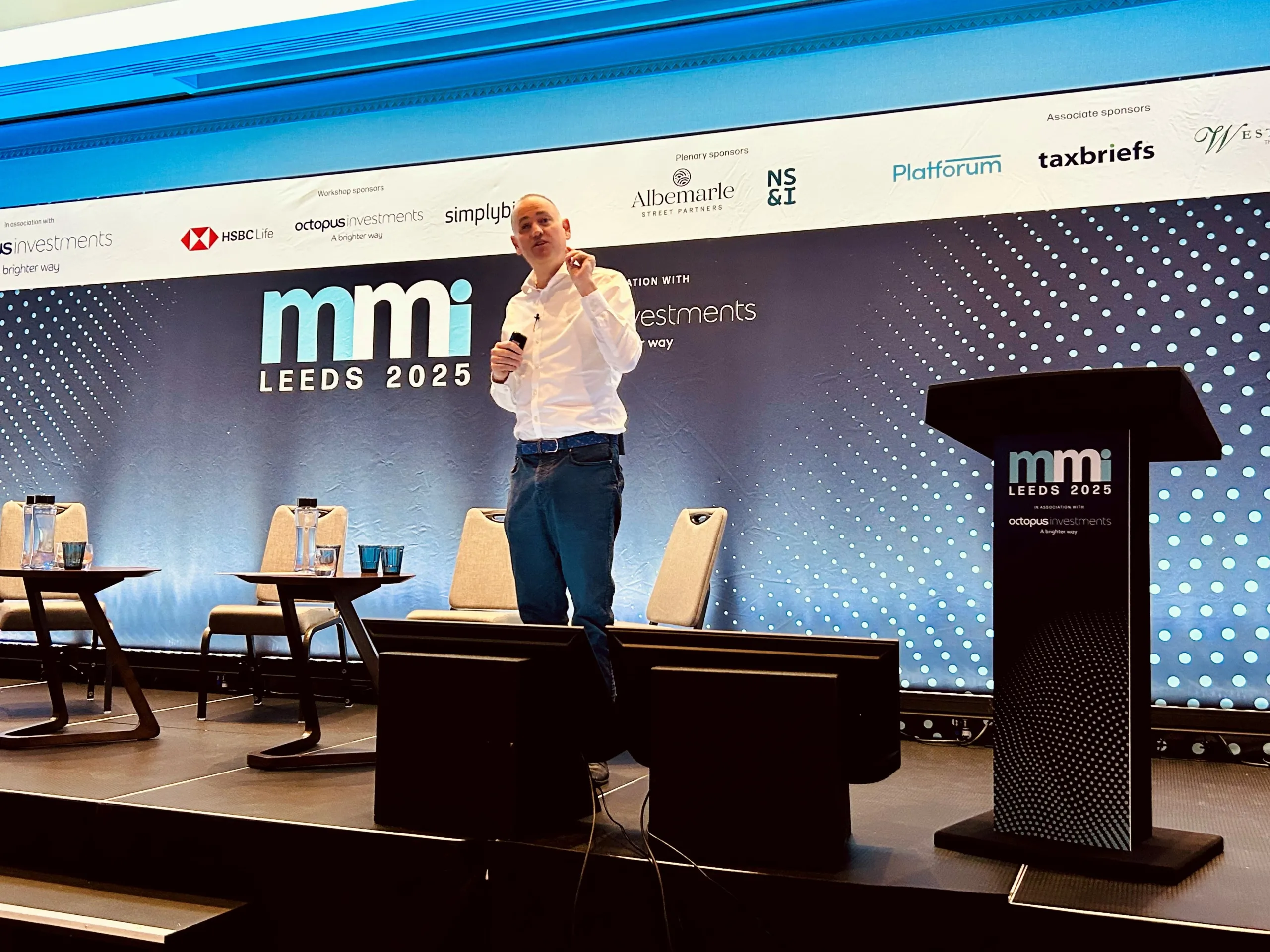
That was the warning from Charlie Parker, managing director at fund manager Albemarle Partners, during his speech at MMI Leeds yesterday (8 May).
“You’ve got a generation of people who are experiencing this horrifying inflation, which is affecting their well-being, and they are being constantly bombarded with high-risk investment options by people selling the dream that is never going to come true,” Parker said.
“They are coming of age in a highly anxious social environment with the perception that they could be missing out on things that their friends are having.”
This anxiety, he said, is striking fear in their hearts when it comes to investing, often making them turn to cryptocurrency and other unregulated investments.
Parker said that data shows how those with high tendency anxiety have worse retirement outcomes due to poor and impulsive decision-making.
“If you experience it a lot, you’re much more likely to jump out of market at the wrong moment.
“When you go back through history, you find the worst things that happen, they have happened during periods of high inflation.”
According to Parker, 48% of Gen Z are turning to social media for investment decisions compared to just 26% of Gen X.
However, he said many young people’s decision-making around investments is heavily influenced by FOMO, or the fear of missing out.
“We are social animals, we have always cared about whether or not we fit in.
“This psychological thing is pervasive within our culture and within our society today, and it is having a profound impact on whether people can get and stay invested.”
He said this fear has been exacerbated by social media and instant messaging apps.
“It started with Facebook and likes. Now you have WhatsApp, which has created this whole new level because you’ve got the blue ticks.
“Has somebody read my message? Have they seen my message? Why have they left me unread? All of this stuff.
“This fear of missing out is endemic, it’s beating its way into every part of our lives.”
But how does FOMO relate to investments?
“Investments have always been a more social business than we like to admit in our industry,” Parker told the audience. “It’s always been connected to social status.
“That’s why you worry some investors are being tempted by online advertising or high-pressure sales tactics to buy high-risk products that are very unlikely to be suitable.
“There’s a very poorly financially educated group of people being very highly influenced by a wave of social-media advertising.
“And so, there is a state of high tendency anxiety to try to respond to this”
He said that people are being exposed to images of others’ seemingly living perfect lives as a result of the financial decisions they have made.
Parker said in order to choose a sensible investment, or see a financial adviser, “you have to have a basic belief you will get a good outcome, that if you make good financial decisions, you will be rewarded for those decisions”.
However, he said you now have a generation of people that believes that they are never going to achieve this.
“Why? Because they are the first generation since the war that are not having better living standards than their parents.
“For this generation, it feels like the world is not stacked in their favour, that everything’s moving away from them.
“And when hope is gone, said one writer, investment decisions become a financial prayer for redemption.
“They think making good, sensible decisions won’t work because too much is stacked against them.”
So, what as an industry can we do about this problem? What can we do to embrace this generation to do something about it?
“We need to make it clear that the ability to get and stay invested in shares is far more powerful than this generation realises,” said Parker.
“Every generation that comes of age after a major economic crisis tends to believe that the world is stacked against them.
“We have to somehow ground this generation back in the belief there is reason for optimism.”