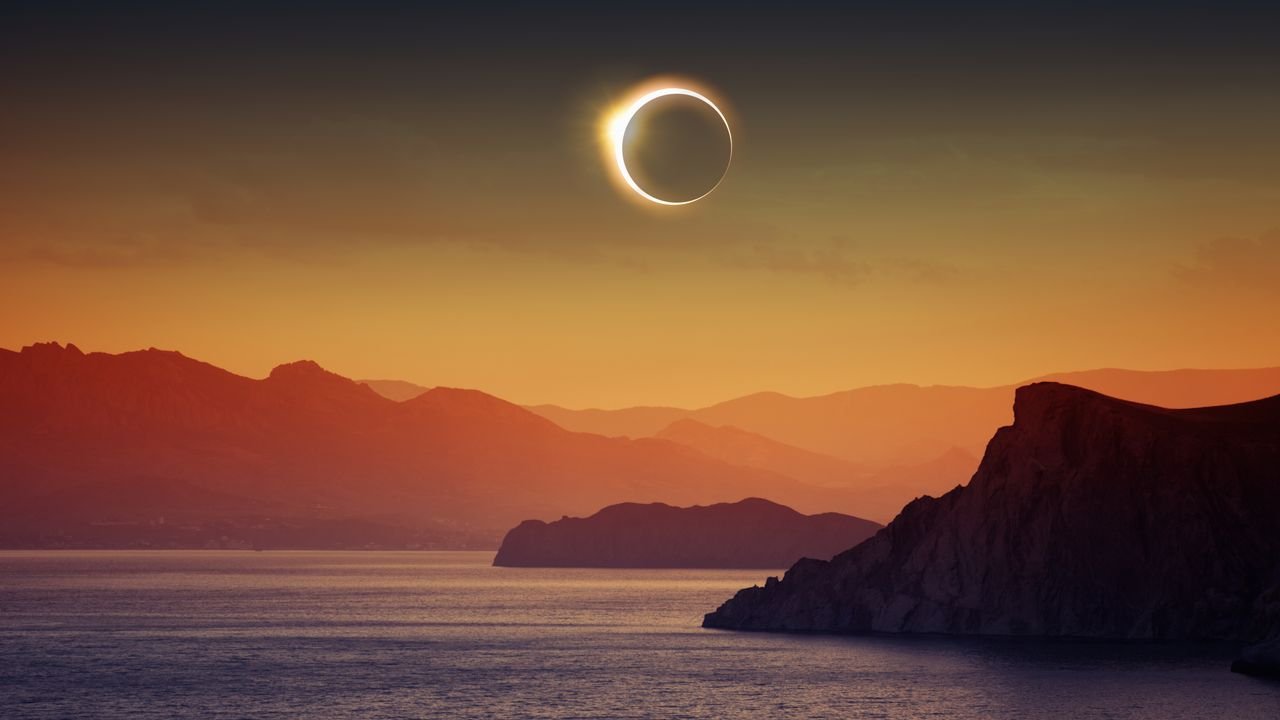
With so much of August 2026’s solar eclipse, whose path of totality will run from Siberia to the Balearic Islands, occurring over water, the best place to view it is out at sea. And the cruise industry is ready: Celebrity Cruises and Ponant have launched eclipse-specific itineraries, while Holland America Line (HAL) will have three ships off Iceland and Spain. According to Robert de Bruin, HAL’s director of deployment and itinerary planning, the Nieuw Statendam, Zuiderdam, and Oosterdam will host astrophysicists on board, including Adam Burgasser from the University of California, San Diego, to provide real-time commentary and lectures “to give insight into one of nature’s most spectacular spectacles.” While big ships are being deployed to Iceland and the Mediterranean, expedition ships will anchor in places like East Greenland, where larger vessels cannot dock. And demand is high for the world’s biggest island: Quark Expeditions‘ initial eclipse voyage sold out quickly, leading the company to reposition a second ship. The line is allowing flexibility in its itineraries in the days leading up the event to ensure the ship can secure the best spot. This focus on solar eclipse sailings is part of an upward trend in astrotourism cruise itineraries, with more travelers sailing to catch the midnight sun or meteor showers or do general stargazing. “Traveling to the Arctic offers something most travelers can’t experience at home: unspoiled night skies, full-view auroras, and solar events like the midnight sun,” says Solan Jensen, Quark Expeditions’ director of expedition delivery and communication. Northern lights cruises, in particular, are having a moment: Operators from Viking to Hurtigruten are now sending ships north in search of the aurora with such confidence that Hurtigruten offers replacement sailings at no cost if passengers don’t spot the phenomenon on certain voyages. If you have missed the boat on booking for next year, not to worry: Another total eclipse will pass across Spain and much of Africa, with prime viewing over Egypt, in 2027.
This article appeared in the December 2025 issue of Condé Nast Traveler. Subscribe to the magazine here.