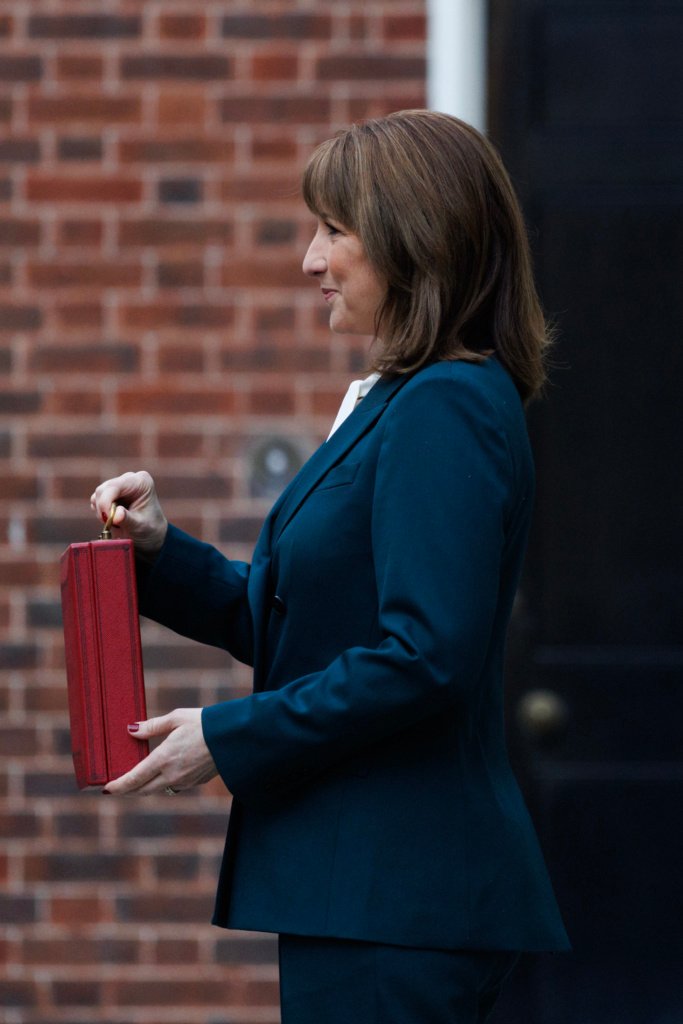
Conservative leader Kemi Badenoch has branded Labour’s UK a “shambolic laughing stock for international investors” in response to Chancellor Rachel Reeves’ Budget.
“The country can’t afford a chancellor who doesn’t keep her promises,” she added.
In today’s Budget (26 November), Reeves announced that the basic dividend tax rate will rise from 8.75% to 10.75%, while the higher rate will increase from 33.75% to 35.75%.
Jason Hollands, managing director at Evelyn Partners, warns this move will feel like a “kick in the teeth” for small business owners and entrepreneurs, penalising those who take commercial risk and manage volatile profit flows.
“Many business owners pay themselves via dividends to reflect uncertain profits. Increasing the tax burden at this point will feel hostile to entrepreneurship and risk-taking,” he adds.
This decision seemingly contradicts the government’s retail investment priorities, with Isa reform pushing savers to invest in stocks & shares.
Reeves said she would “keep the full £20,000 allowance while designating £8,000 of it exclusively for investment.” This rule will come into effect from April 2027.
“It’s encouraging to see the chancellor take steps to reduce the annual cash Isa allowance,” says Stephen McGee, CEO of Scottish Friendly.
Badenoch joked the chancellor has “the cheek to talk about stability” with salary sacrifice pension contributions above £2,000 now facing National Insurance (NI) from April 2029.
This change will likely result in significant losses for millions of employees.
“At £4.7bn, the tax take is greater than expected and means the impact of this policy on pensions, pay or businesses – or all three – could be severe,” warns Gary Smith, senior partner and retirement specialist at Evelyn Partners.
Government announces changes to salary sacrifice
Responding to landlord income tax rates, Badenoch accused Labour of taking the public for fools, calling Reeves “shameless and completely aimless.”
From April 2027, the basic, higher and additional rates will increase to 22%, 42% and 47% respectively, which could add between £20 and £25 a month to rents in England.
The Office for Budget Responsibility (OBR) said this “successive eroding of private landlord returns will likely reduce the supply of rental property. It risks a steady long-term rise in rents if demand outstrips supply.”