A leaked report from the Office for Budget Responsibility (OBR) suggests the chancellor will extend the freeze on income tax thresholds by a further three years beyond 2028.
The document, released ahead of today’s Budget, forecasts that maintaining the current personal allowance and higher-rate thresholds would raise £8.3bn by 2029-30.
Income tax thresholds have been held at £12,570 for the personal allowance and £50,270 for the higher-rate band since 2022-23.
They were originally due to remain frozen until 2025-26, before being extended to 2027-28 under measures introduced in November 2022.
At that time, the upper earnings and profits limits for National Insurance were also frozen.
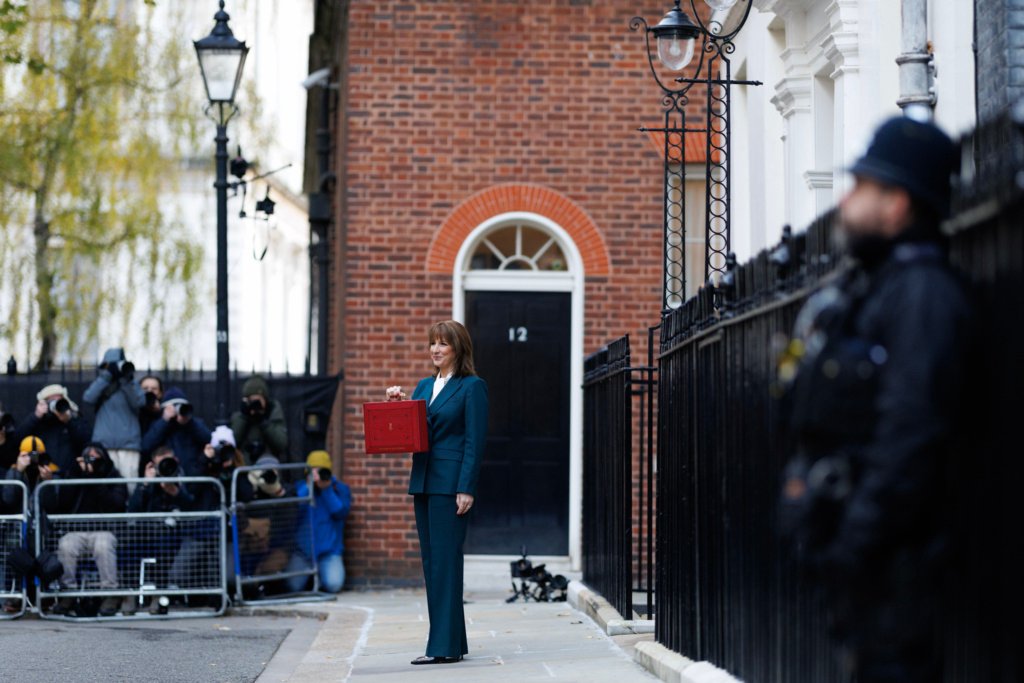
The leak appears to contradict Rachel Reeves’ commitment in her first Budget in October 2024.
At the point, she pledged: “There will be no extension of the freeze in income tax and National Insurance thresholds beyond the decisions by the previous government from 2028-29.”
There had been speculation earlier this month that Reeves might raise income tax rates, in violation of Labour’s election promise not to raise “the basic, higher or additional rates of income tax”.
However, Lou Davey, head of policy and external affairs at the Independent Governance Group, pointed out that the threshold freeze “will have a significant impact on working savers and their pension pots”.
“With take home pay effectively reducing, people will be looking for efficiencies in their own budgets, and the contributions they make to their own pensions are a likely victim of this change,” she added.
Sarah Coles, head of personal finance, Hargreaves Lansdown, said: “An income tax hike was the most feared change in the Budget – worrying 16% of people, 20% of Millennials and 25% of higher rate taxpayers, so the Budget made millions of people’s worst fears a reality.
“According to the OBR report, which has been released early by mistake, the government has extended the freeze in the tax thresholds to 2031 – even longer than had been expected.
“This comes as no surprise, given it has been such an effective stealth tax already. Fiscal drag has hauled over six million more people into paying income tax, and 3.36 million more into paying higher or additional rate tax. We’ve had to hand over an extra £89 billion in income tax this year – compared to 2021/22 – as a result.
“It means that every pay rise will mean more people paying more tax, and more tipping over into paying higher rates. Someone earning £50,000 this year will pay £8,165 more in tax over those three years as a result.
“It’s not just the tax on earnings that’s affected. When you start paying higher rate tax, your personal savings allowance shrinks, from £1,000 for basic rate taxpayers to £500 for higher rate taxpayers, and disappears altogether for additional rate taxpayers.
“You also pay a higher rate of capital gains tax when you cross into paying higher rate tax, and your dividend tax rate rises as you cross each income band. It means everyone, whatever their income, needs to consider the steps they can take to protect themselves.”