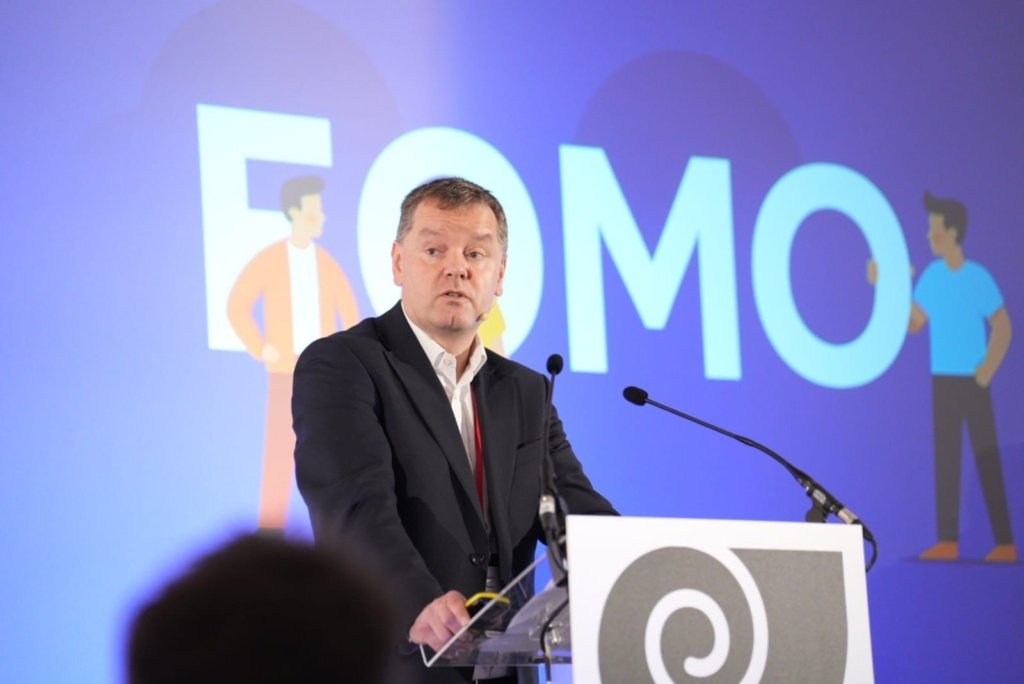
“Undeniable disruption in protection is rare….we seek incremental tweaks designed to steal market share.”
That was the verdict from Chris Samuel, VP of sales and client relationships at iPipeline, when speaking at the Protection Review conference last week.
At the event, held on 27 November, Samuel discussed the ‘fear of being first’ which he believes has hindered disruption in the protection market.
“It’s the fear of launching a radically different product, the fear of adopting new processes – and even the fear of standing out. We need to find a way to make different good,” he stressed.
Samuel urged insurers to embrace dynamic pricing and digital engagement to make protection relevant to underserved markets, such as renters and gig workers.
Fear of being first holds back protection innovation
Speaking with Money Marketing, Gower Wisdom, chief operating officer at Guardian, has pushed back on this fear of being first, arguing that there is strong appetite for innovation amongst insurers.
“It’s a tough market because of gatekeepers controlling access to distribution and the power behind the throne, reinsurance,” he said.
Sourcing platforms, such as iPipeline’s SolutionBuilder, have become go-to distribution channels for insurers with advisers using them to evaluate products.
Wisdom believes these platforms fail to give credit for unique product design, leaving insurers with no choice but to heavily invest in marketing to get advisers to ‘buy into the concept’.
“We’ve had issues because total permanent disability (TPD) is automatically included as part of our critical illness (CI) offering. It’s not a rider with us, but we’re only listed when advisers search for products with TPD even though it’s essentially free for customers,” he added.
Since the status quo has been driven by a few insurers that are hesitant to innovate because it “strategically suits them”, Wisdom believes advisers’ reliance on sourcing platforms has led to recommendations that prioritise price over quality.
He said: “I think advisers feel it’s riskier to justify a product on quality versus price, especially those with limited experience and market knowledge.”
Samuel told Money Marketing, “It’s easy to look in the other direction to address the problem, rather than have the industry solve it.
“We need to work together to figure out how we can bring different products together and still be able to give an overall comparison whilst not making everything homogeneous.”