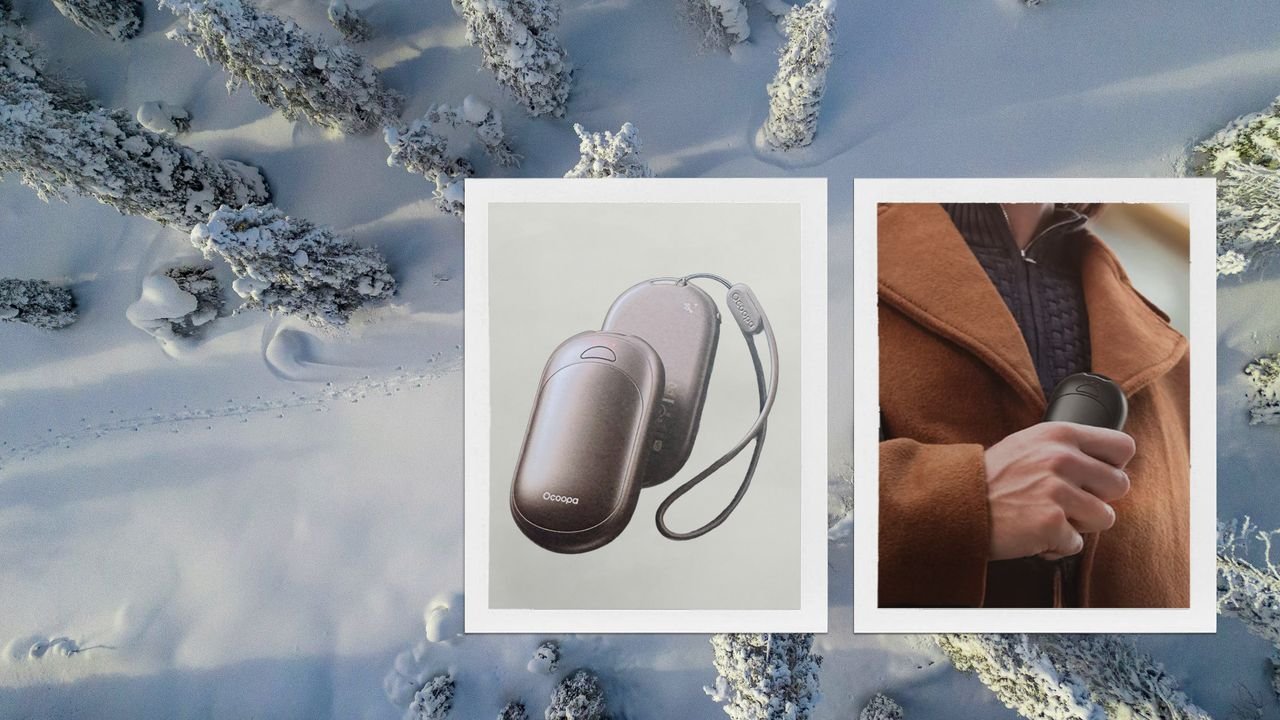
I’m no stranger to cold. I went to college in Syracuse, New York, where getting to class often felt like crossing Antarctica, and I’ve built a career on chasing stories in places where winter often sets the agenda: Swedish Lapland, the high Canadian Arctic, Hokkaido, Japan, and, most routinely, Buffalo, New York, where my in-laws live. By far the coldest chapter of my life, however, has been the last seven years in Minnesota—a place I adore precisely because locals don’t hide from Old Man Winter. They snowshoe, ski, snowmobile, ice fish, and throw art festivals on frozen lakes. Proper gear makes that possible: breathable base layers, balaclavas that make us look like bank robbers, and, most crucially, hand warmers.
I’ve long relied on HotHands, and that classic still has its place. But I decided to give some other types of hand warmers on the market a try and see how they stack up against my longtime favorite. This winter, I tested a mix of disposable and rechargeable warmers during a snowy week that swung from 27°F to a teeth-clattering –5°F. I used the warmers on neighborhood walks, at outdoor markets, hiking in the woods, and chasing my toddler across a powder-covered playground. While many of the rechargeable models performed similarly (and were even made by the same manufacturer in China), a few stood out. Here are my top picks of the best hand warmers for staying toasty all winter long.
Jump to:
Top picks:
FAQ:
What brand of hand warmers are the best?
HotHands has been around for more than 35 years, and it remains a category leader for a reason. In my testing, the brand earned two “best in show” nods, but my overall top pick is from DeeKom. Of all the warmers I tried, it had the most considered, user-friendly design: The shape and size are simply more comfortable to hold, they generate an impressive amount of heat, and they offer five heat settings plus thoughtful extras like emergency lights.
Are reusable hand warmers worth it?
If you live and work in a cold climate or travel to them often—ski trips, winter city vacations—rechargeable warmers are usually the better value. They let you control the intensity through multiple heat settings, and because you can switch them on and off, you can extend their use across an entire day. (By contrast, disposable warmers activate as soon as they’re exposed to air and will burn through their heat in one continuous stretch.) Rechargeable warmers are less wasteful, but the disposable kind are more economical for occasional cold-weather trips or for outfitting larger groups. They’re also lightweight and easy to pack.
One caveat: Lithium-ion batteries don’t perform as well in extreme cold. Expect noticeably reduced heat duration and slower activation when you’re standing out in the elements. Also, note that per TSA rules, battery-powered warmers must be packed in carry-on bags, not checked luggage.
How were these hand warmers tested?
I tested a dozen disposable and rechargeable warmers in sub-zero temperatures to see what kept my hands the warmest and most comfortable over extended periods of time. Each rechargeable device was fully charged before use, and I followed the manufacturer’s instructions for activation. During testing, I noted how quickly and evenly each warmer heated, how hot it got, and when it began to cool. I also evaluated comfort, usability, battery life, design, durability, and price.