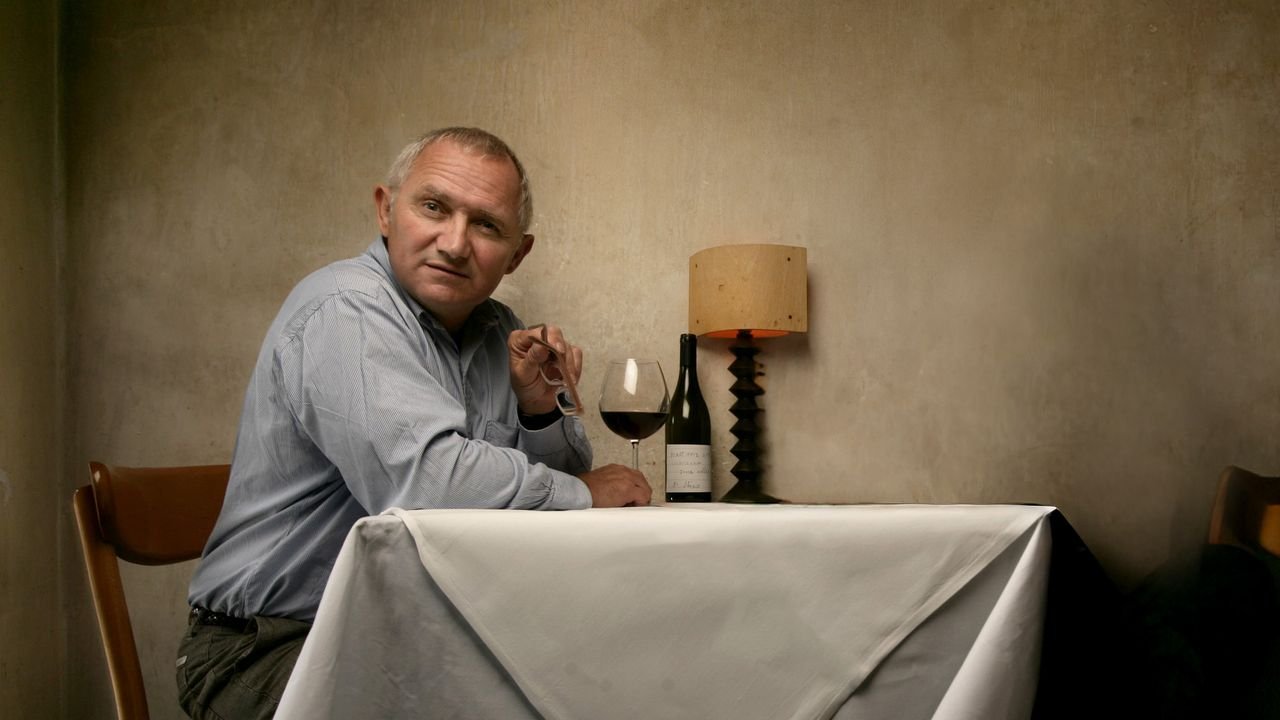
Despite having founded St. John, the very high bar by which London restaurants measure themselves, Trevor Gulliver is utterly unaffected by his success and demonstrates no inkling of ego. But, that said, he has fire in his belly. Get him talking about celebrity chefs, anyone with a frying pan range in their name or endless television endorsements (“you should only do TV if you have a reason for it, a strategy,” he insists), and it’s clear he isn’t impressed. Far from the social media, five-minute, one-pan wonder material that emanates daily through our ether, he talks of chefs such as Rowley Leigh, Alistair Little, and Simon Hopkinson with great admiration. “I hate the term ‘old school,’” he says quickly. But they are a generation of chefs and a time from which Gulliver hails. St. John Smithfield, with its restrained, industrial interior, doesn’t stand out aesthetically today, but when it opened its doors 30 years ago, its space, location, and menu were utterly groundbreaking. And no matter how many gastronomic greats with exposed stainless-steel interiors and concrete floors have opened since, nothing has knocked St. John off the top spot.
St. John pioneered the nose-to-tail eating philosophy and, since opening in 1994, has expanded to no less than three restaurants, three bakeries, and a French vineyard, nabbing a coveted Michelin star in the process. “All the St. John’s came out of circumstance,” he says. “There was never a plan; they are never the same and always the same, if that makes sense.” Gulliver is a born-and-bred Londoner, and though he is one of the most highly respected restaurateurs in the world, he began his working life producing music-industry merchandise. His first foray into restaurants was with The Fire Station in Waterloo, which he sold before meeting Fergus Henderson, who, at the time, was cooking at The French House in Soho. The two men were introduced by their olive oil supplier, and as a result, Gulliver showed Henderson a site he had found in Smithfield (now the site of that first St. John), and the rest, as they say, is restaurant history.
When it comes to places Gulliver loves to eat at, he is quick to clarify that he doesn’t love being asked about “favorites.”
“Firstly, let me start with a disclaimer.” With his trademark directness, Gulliver says, “There is no such thing, well, except for the family curry house, as a favorite restaurant and for a restaurateur it is an invidious task when asked to make such a list. It is, for me, like that question: ‘What’s your favorite wine?’ My answer is always that it depends on where, with whom, the weather and the when. Then there are my London roots; I’ll be in trouble if I didn’t stray beyond the north and south circulars.”
Put to the task regardless, Gulliver shares some of his beloved go-to’s in London and the greater England, below. He too wishes it were more exhaustive: “It is humbly that I apologize for making such a list, to all of those who really should be on it, too!” Consider it a solid start.
London
“Sweetings in the City has always been there, and I recently went to raise a glass to their 125th birthday. It never wavers, following its own patterns and routines set over the years. Sweetings is a happy anachronism. This spot has been serving grilled, fried, and poached fish to locals for over a century, and it’s a bit of a time warp amongst the skyscrapers and high-rises that have been thrown up around it in recent decades, yet many make a trip into the city just for them. This Grade II-listed building seems utterly unchanged since the restaurant opened in 1889, with wooden stools, a long bar, and low tables. Just sit where you can. A Black Velvet [a drink mixing stout and champagne] tastes best from a pewter mug standing at the bar before lunch with some oysters to set things going.”
London