What is the significance of having a travel program on public broadcasting to you?
The significance is huge. Number one, it’s the only platform that has as many female travel hosts or female hosts in general. The main reason being there’s no executive who is saying, yes, we’ll sign you. [When you have a show on PBS] they sign you as an independent producer.
Number two, there’s no barrier to entry. If you have internet, you can access our show for free. We do get grants for making our shows fully accessible with closed captioning descriptions for the visually impaired. My sister is disabled, so I’ve always put accessibility in the forefront of making our shows.
Number three is legacy. I grew up watching Reading Rainbow and Mr. Rogers and Rick Steves. To now be on the platform that has been such an integral part of my upbringing is an honor.
The fourth thing is, as independent producers, we own all of our content. There’s no one to say, oh, we just shot 10 episodes, and all of a sudden they’re gonna pull it, and no one’s gonna see the light of day of that. As long as we can find the funding and make it move forward, people will see the show.
What is the scouting process like for Bare Feet?
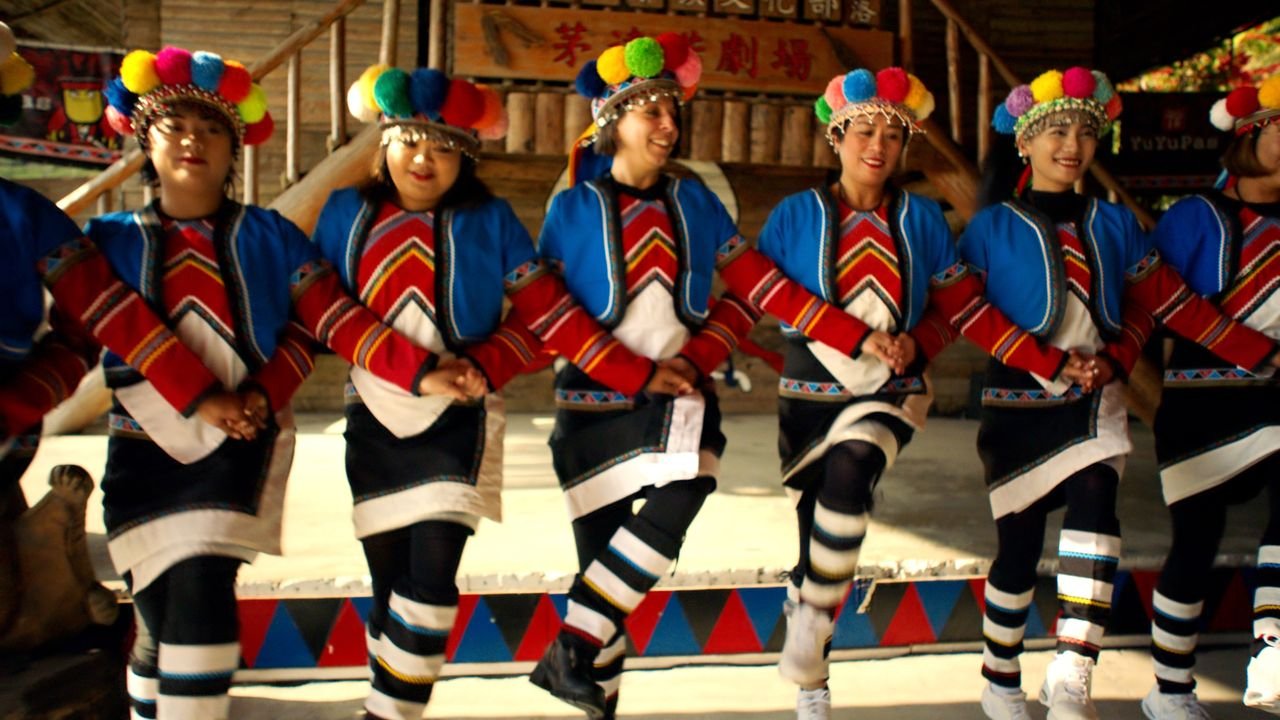
First, I look at a map and think of dances we haven’t featured yet, both in New York City and in international settings we haven’t been able to tap into and explore. Then we start to sort out stories. Usually episodes are five segments long—one, three, and five are dance/music related, and two and four are food, culture, nature, something interesting that’s completely unique to the destination.