Protection innovation is being held back by firms’ fear of being first in the market, denying the sector a transformative growth opportunity.
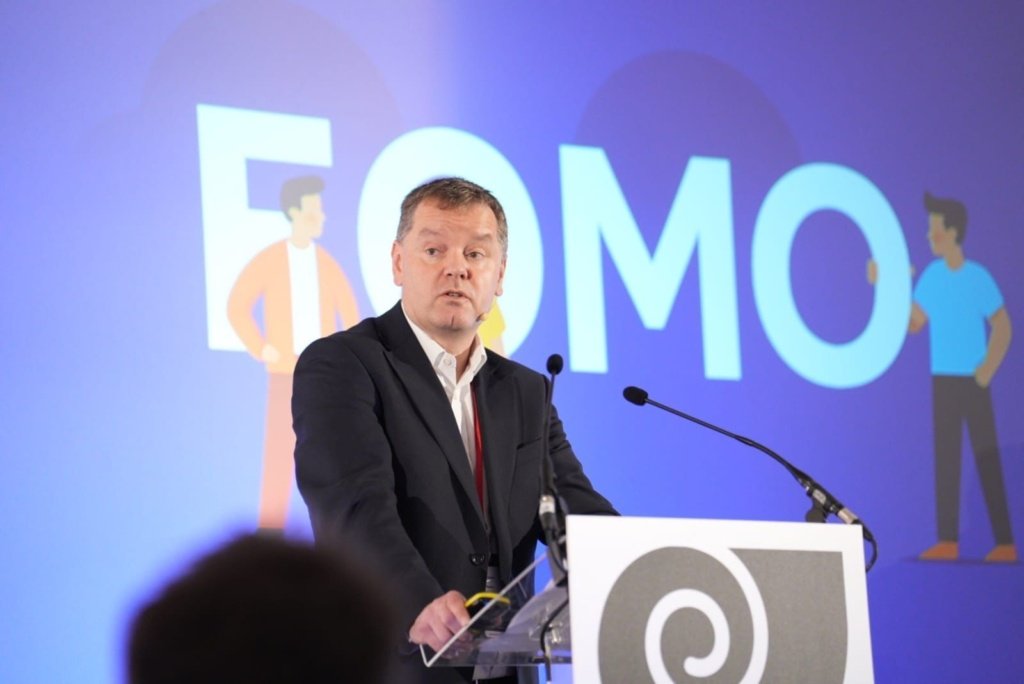
This was the view of Chris Samuel, VP of sales and client relationships at iPipeline, speaking at the Protection Review on Thursday (27 November).
Addressing disruption in the sector, Samuel argued that protection has still not experienced true transformation, despite advances in digital processing, faster underwriting and AI.
He said the industry has delivered incremental improvements, but not the kind of step change seen in sectors such as transport, hospitality or retail.
Samuel noted that providers have focused on product tweaks and digital upgrades but have failed to grow the market or engage underserved customers such as renters, gig workers and those outside mortgage or employee benefit channels.
“Innovation is not the same as disruption. We have improved processes and refined products, but we have not fundamentally reimagined protection.”
Samuel said fear of being first is stronger than fear of missing out in financial services. Heavy regulation, risk aversion and homogeneity mean firms prioritise safety over meaningful innovation.
“In other industries, first movers reap the rewards. In protection, being first often means higher risk, compliance challenges and uncertain returns, so most firms wait.”
Instead of breakthroughs, Samuel said the sector often sees small upgrades designed to steal market share rather than develop new markets.
He argued that AI, connectivity and data could enable dynamic pricing, real-time underwriting, wearable integration, personalised protection and portable benefits, rather than just faster administration.
“Telematics transformed motor insurance for young drivers. Where is the equivalent breakthrough in protection?”
Samuel urged advisers, insurers, reinsurers and tech providers to work together to avoid a cycle of sameness, warning that protection risks becoming irrelevant if it fails to meet the expectations of younger consumers, freelancers and renters who want flexible, on-demand cover.
“True disruption will only happen when we stop trying to protect just the mortgage market, and start protecting real lives and real risks.”