The Financial Services Compensation Scheme (FSCS) has trimmed its levy forecast for 2025/26 by £36m.
The projected total of £356m in compensation payouts is down from the £392m outlined in November.
The reduced figure reflects £56m in successful recoveries from the estates of failed firms and third parties, as well as a decline in expected claims within the Life Distribution and Investment Intermediation (LDII) class.
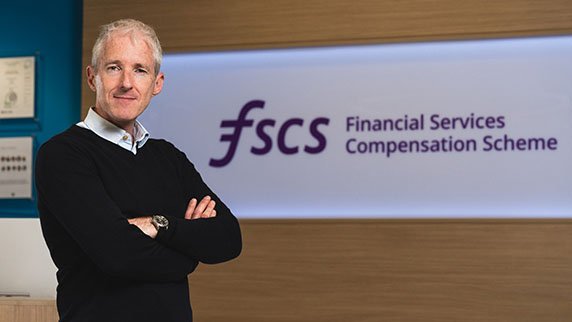
FSCS chief executive Martyn Beauchamp highlighted the increasing complexity of claims, noting a significant shift in case profiles.
“We continue to adjust to the large share of our claims that are considered complex and, as such, require more specialist resource, deeper investigation and typically more time,” he said.
“Over two-thirds of our advice claims are now considered highly complex, up from one third a few years ago.”
To tackle this, the FSCS is scaling up its use of technology and data science, including machine learning and natural language processing, to better handle large volumes of information and support decision-making.
“The partnership between our people and technology will be crucial to delivering better outcomes for consumers,” Beauchamp added.
Industry cautiously optimistic
The lower levy forecast has been welcomed across the sector, particularly as a sign that recovery efforts are finally delivering tangible results.
Simon Harrington, head of public affairs at PIMFA, said: “We welcome the latest FSCS Outlook and the reduction in the 2025/26 levy forecast, supported by a notable £56m in recoveries, which is an encouraging sign of more effective action against poor conduct.
“These recoveries not only ease the financial burden on firms that operate responsibly but also enhance consumer confidence in the framework itself.
“As we continue to engage with the FSCS, we remain committed to reforms that move us toward a true ‘polluter pays’ model — where those responsible for failures bear the cost, not firms acting in their clients’ best interests.”
This aligns with long-standing adviser frustrations around good firms footing the bill for bad actors.
Brian Nimmo, head of redress at consultancy Broadstone, said the drop in predicted payouts reflects shifting trends in the wider compensation space.
“The lowered predictions for compensation payments in 2025/26 reflect broader trends as payouts reduce in size,” he said.
“A movement towards more claims requiring specialist investigation is emerging, with over two thirds now classed as ‘complex’ — up from one third just a few years ago.
“It highlights the complex financial landscape that firms and consumers must now navigate, and the level of expert advice firms increasingly need to ensure they are treating customers fairly.”