Gen Z believe artificial intelligence will be a valuable asset to the protection industry if it is embraced and effectively used to make data-driven decisions.
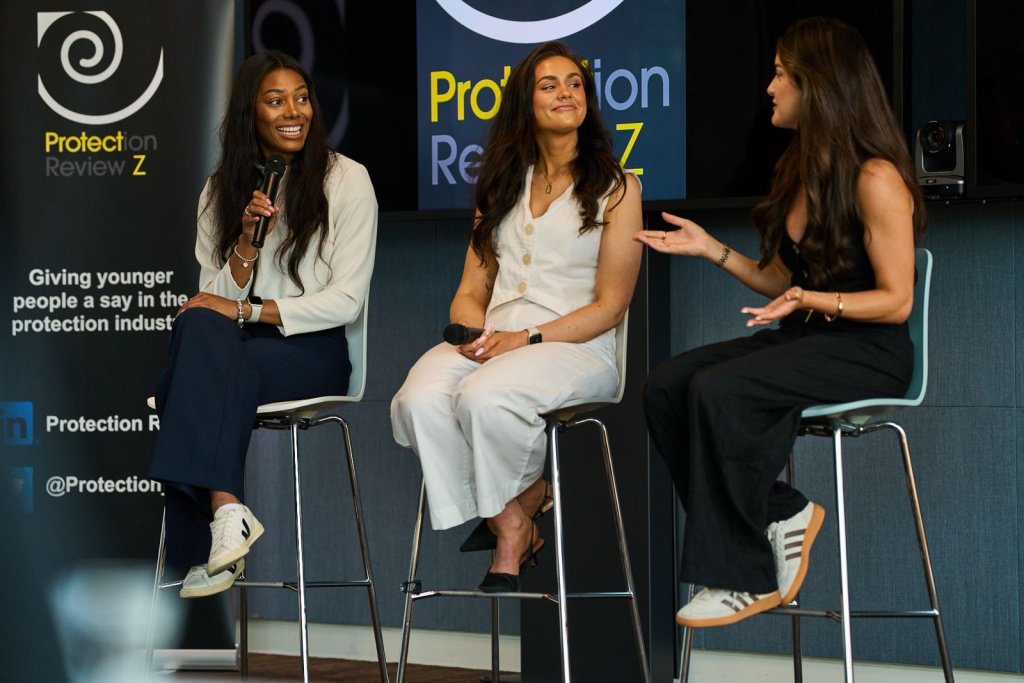
That was the clear message from this year’s ProtectZ event hosted by Protection Review in London, where all speakers were under 30.
More than 70% of participants said they expect AI to enhance their career opportunities over the next decade rather than restrict them.
Described by speakers as “a tool, assistant or handy consultant”, AI was widely welcomed provided human oversight remained in place.
Beth Southcott, senior marketing executive at UnderwriteMe, said AI should be viewed as a tool to take on the heavy lifting of data processing.
“AI can automate mundane tasks, but it should supplement, not replace, human judgment,” she said. “It is not something to fear. We have embraced change before with mobile phones and computers. AI is just the next wave.”
Rebecca Campbell, account director at LifeSearch, agreed, stating that AI is already having a huge impact on society and that the protection industry must adapt quickly or risk being left behind. But she also issued a note of caution.
“AI is still in its early stages, and some parts of the protection journey still require a human touch,” she said.
“Some people may feel comfortable disclosing serious medical conditions to a chatbot, while others may not.”
Campbell added that the sector should look to other industries for inspiration on how to make processes faster and less painful. This could include using open-source platforms, smarter technology, digital GP reports and AI-assisted underwriting decisions.
Lottie Hayton, of The Times, opened the event with a look at Gen Z, those born between 1997 and 2012, and the societal trends shaping their lives.
These include lower levels of drinking, more focus on health and wellbeing, and greater openness around relationships and identity.
She said the industry still faces a challenge in helping Gen Z understand and value protection. Unlike previous generations whose protection triggers were typically buying a home or starting a family, Gen Z’s priorities are more nuanced.
“These generational shifts should inform how the industry approaches product development, underwriting and marketing,” she said.