We may earn a commission from links on this page.
Early every year, Google releases a budget-oriented a-series phone that acts like a stripped down version of its latest mainline Pixel phone. The Pixel 9a, for instance, had the same chip as the Pixel 9, reduced memory and camera specs, and most importantly, a slimmed down design that finally ditched the obtrusive camera bar. The Pixel 10a, announced today, is a bit of an outlier. Instead of upgrading to the same chip as the Pixel 10, it also has the same chip as the Pixel 9, with only slight improvements to everything else that was already in the Pixel 9a. So, is it worth an upgrade?
The Pixel 10a’s specs
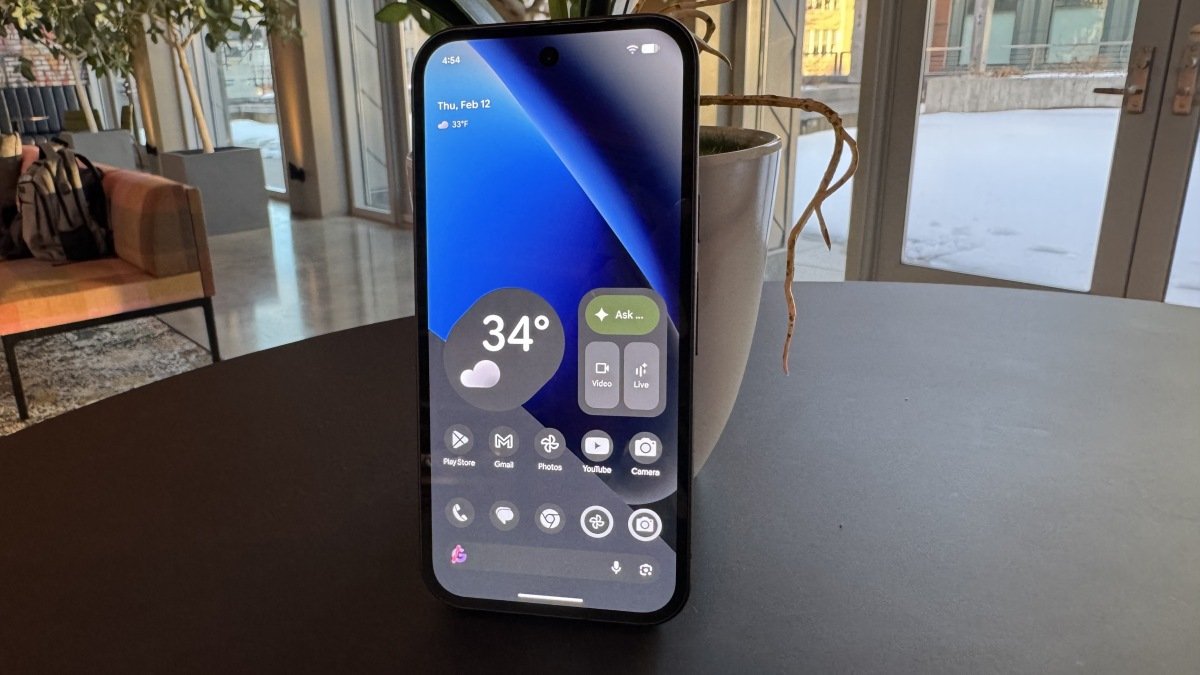
The Pixel 10a’s specs are, on paper, nearly identical to the Pixel 9a’s. Both phones have a Tensor G4 processor, 8GB of RAM, and up to 256GB of storage. They also have the same camera system, with a 48MP main lens, a 13MP ultrawide lens, and a 13MP selfie camera. Battery life also sits at the same promised 30+ hours, with a typical 5,100 mAh capacity. The only real difference on paper is that the 6.3-inch screen is a little brighter, with up to 3,000 nits of peak brightness instead of 2,700. The bezels are also supposed to look about 10% thinner, although I needed to be told that to spot it during a hands-on session with the Pixel 10a.
Even the Pixel 10’s MagSafe-like Pixelsnap feature is gone, meaning you won’t be able to use this phone with any magnetic accessories, at least without adhesive magnets or special third-party cases.
Google Pixel 10a (left) vs. Google Pixel 9a (right)
Credit: Michelle Ehrhardt
That said, there are a few changes to the hardware, notably to the look of the phone. Like the Pixel 9a, the Pixel 10a also ditches the camera bar, and evolves on Google’s last budget model for a completely flat back. That means the rear camera has no bump or lip to it at all, for a completely flush and seamless feel. It’s definitely clean, but the 9a’s miniscule camera bump was already barely an inconvenience back when I reviewed it.
Meanwhile, you’d need to be told about the other design upgrades to appreciate them. Google says the Pixel 10a has improved Corning Gorilla Glass 7i cover glass so that it’s more resilient to drops and scratches, but I couldn’t test that while carefully handling the company’s demo units.
Essentially, when looking at raw specs, the Pixel 10a comes across at first less like a stripped down version of the Pixel 10, and more like another iteration of the Pixel 9. But Google’s hoping its software can win you over.
Pixel 10a AI camera features and satellite SOS
The Pixel 10a does differ from the Pixel 9a when it comes to AI, and introduces two AI camera features that debuted on the main-series Pixel 10. These are Auto Best Take and Camera Coach, although one of them is also an iteration on something that came out alongside the Pixel 8.
That would be Auto Best Take. Essentially, what this does is detect when you’re in a group shot with other people, then take up to 150 frames all in one press. It’ll then intelligently find the best shot from those frames and ditch the rest, and if it can’t find a good shot, it’ll stitch together elements from multiple shots so that everyone has their eyes open. You will know when a shot has been stitched together using Auto Best Take (it’ll have a Gemini icon), and can choose to use a non-AI assisted one if you prefer. The ability to stitch together photos is a few generations behind at this point, but not having to choose when to load it up is convenient, if you’re into AI-generated photos.
If you’re not, Camera Coach lets you get some AI assistance in your photos without actually having AI in your shots. Essentially, this will look through your camera for you, generate an ideal shot for you to take, then guide you through the real-world steps you need to follow to recreate it. You’re essentially handing off the ideation part of photography to Gemini, but you also won’t have to risk any hallucinations popping up in your pics.
What do you think so far?

Credit: Michelle Ehrhardt
Aside from new photography features, you’ve also got Satellite SOS for the first time on an a-series phone. This lets you connect to a Satellite if you’re away from wifi or your mobile network, so you can ping emergency services for help if you need it. Hopefully, you’ll never actually have to use this feature, but it is some great piece of mind.
Is the Pixel 10a worth it?
Like the Pixel 9a, the Pixel 10a is $500, so if you’re trying to choose between the two and aren’t buying a 9a at a discount secondhand, it’s a no-brainer. It does also have a new selection of colors, including a poppy red “berry” look and a purplish blue hue named Lavender.

Google Pixel 10a in Berry
Credit: Michelle Ehrhardt
But if you’ve already got a Pixel 9a and are eyeing an upgrade, it’s a bit harder to justify. The biggest new additions are all software, and Google has already brought previously Pixel 10-exclusive software to older phones before (although with mixed results). That means the 9a is likely to stay relevant for a good few more years, and may actually eventually have all the same features as the 10a, minus that completely flush back.
The standard Pixel 10 series is also likely to remain a good choice. Back when I reviewed it, I thought the 9a was better than the Pixel 9, but since the 10a doesn’t even have the same chip as the regular Pixel 10, it’s much less likely to be able to stand in for it, however clean it looks.
If that doesn’t deter you, though, you can pre-order the Pixel 10a now on Google’s website, with models set to ship out and hit retail stores on March 5.