As a chronic overpacker who only travels with carry-on luggage, learning how to use packing cubes has been a process years in the making. While I was home in San Jose, California, for the holidays recently, my 10-year-old niece told me she was impressed by how “neat” my suitcase was. Intrigued by the game-changing travel hack that is packing cubes, she proudly tucked her knicknacks inside a spare cube of mine for her trip home. My niece reminded me how seamlessly packing cubes can take an overstuffed suitcase and transform it into an easy-to-sort home for my many essentials.
“Packing cubes are extremely efficient at keeping you organized,” says Lydia Mansel, Condé Nast Traveler contributor and founder of a packing list newsletter called Just Packed. “They help you pare down what you’re bringing, keep clean pieces separate from dirty, and are critical if you want to avoid the dreaded ‘shove everything in’ method before catching your return flight.”
The art of packing cubes is about so much more than just double bagging, though. If you’re new to this safe-spacing method, consider this your guide for how to use packing cubes, with tips from seasoned travelers. Plus, the packing cubes Traveler editors recommend most.
In this article:
How to use packing cubes:
1. Categorize each cube
With organization being their key function, think of each cube as a filing folder. Marie Kondo, known for her KonMari method, suggests starting by making a list of all the items you need. “Then, lay everything out and categorize by the type of item to get a complete look at how many items you have for each category,” says Kondo. She divides hers by undergarments, tops, bottoms, shoes, toiletries, and accessories (jewelry, belts, hats, and the like). “This will help you stay organized throughout the duration of your trip and easily find all your options when you open your bag or suitcase,” she says.
Other travelers may prefer grouping each cube with a complete outfit, eliminating the need to piece together a perfect combo on the go. For family travel, Anne McAlpin of Pack It Up says having a different cube for each child—and differentiating by color—can save time fishing through clothing.
2. Experiment with sizes and shapes
No two trips are the same, which means every getaway may require a slightly different combination of packing cubes. “Having a variety of sizes will help make the packing process more seamless,” says Kondo.
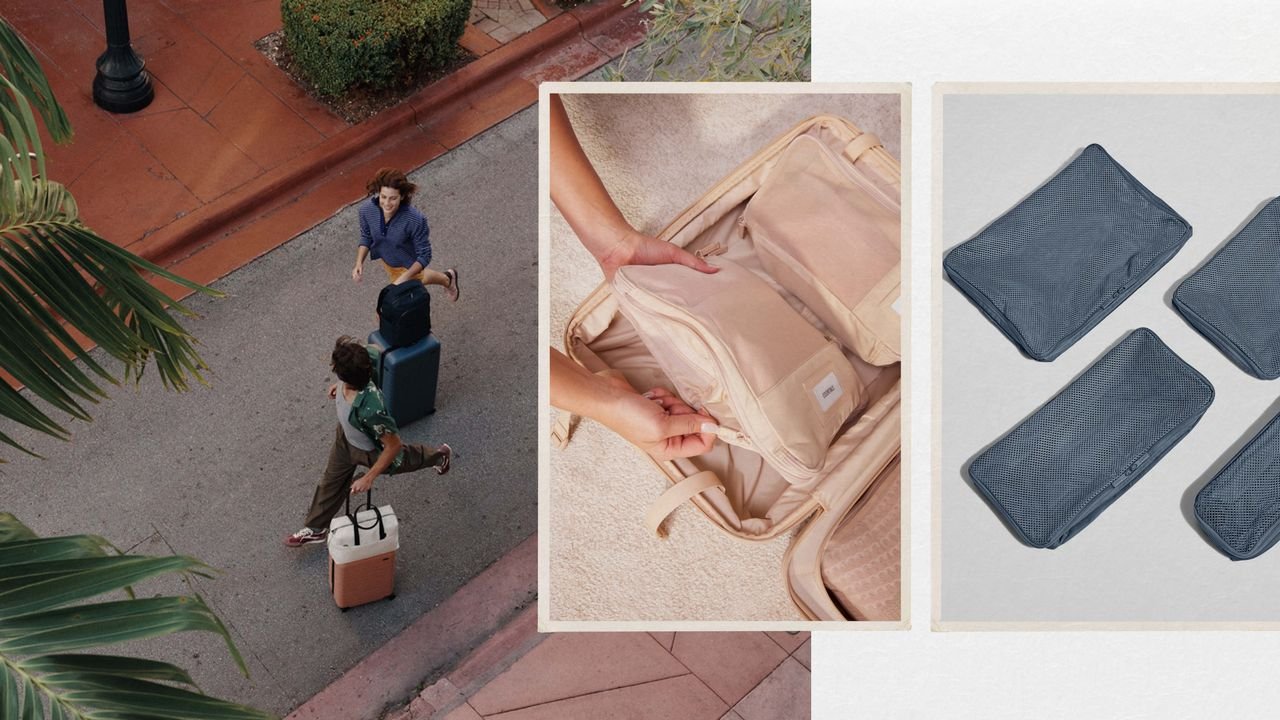
When I first started using packing cubes, I was committed to Away’s set of four since they were designed to fit inside its suitcases—and the Bigger Carry-On Flex is the only piece of luggage I trust. Over time, the slim medium-size cube became my portable underwear drawer; the wide small pouch was my outdoor gear bag (beanie, gloves, handkerchief, swimsuit, and foldable cap); and the wide medium size held my bras and socks.
My hair straightener never quite sat right in its large slim cube, so recently I broke away and started putting the styling device in the more amorphous Ultralight packing cube from Peak Design, which is floppier, yet molds to its shape better—and only weighs 1.8 ounces.
Another new obsession of mine: Thule’s compression cubes. With a slightly more structured rim than most, I zipped three sweaters into the space of one in its medium pouch. More impressively, its thin but effective water-repellant nylon material served another purpose—allowing me to bring back my fragrant California culinary treasures, MohiFarms coffee and Desert Dust spice, without transferring the smell to the rest of the items in my suitcase.
3. No need to force a fit
While it may be tempting to use all the space in each cube, it’s not necessary. “I’ll sometimes use one to hold something I want to keep separate from everything else in my bag, like a more delicate pair of shoes,” Mansel says.