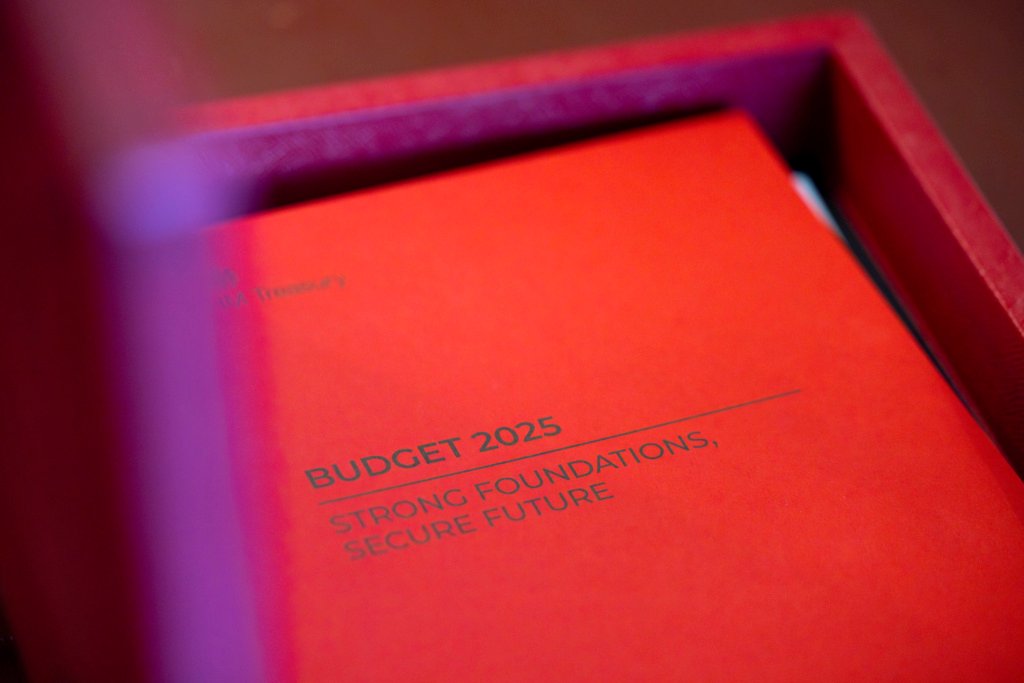
The major revenue-raising pension policy in this year’s Budget, coming on top of last year’s shocking inheritance tax (IHT) announcement, is another hammer blow to defined contribution (DC) pensions.
The Government seems determined to plough ahead with both decisions, but I believe they will prove extremely damaging and will definitely worsen pension outcomes for millions of workers.
This flies in the face of expressed Government aims of encouraging better private provision and bringing more pension investment into UK companies and real assets, to boost British growth.
Restricting salary sacrifice pension contributions to just £2,000 a year is a lose-lose policy.
Workers will lose as their take-home pay and pension contributions may well fall – and since the main national insurance (NI) contribution rate is 8% for basic rate taxpayers, but only 2% on income above the £50,270 higher rate tax threshold, it is the lower earners who potentially lose most.
Future pay increases and employment levels are likely to be lower too. Employers will lose because of the significant extra costs involved in managing the complexities of this new £2,000 contribution limit.
Many employers will struggle to afford the additional costs of having to change the way their pensions and payroll systems work
Many smaller and medium-sized employers, who have been advised to use salary sacrifice schemes, will be particularly badly hit and may already be struggling to cope with the costs of last year’s rise in NI and minimum wages.
If employers are already contributing at the minimum auto-enrolment levels, they will be unable to cut their contributions. They will, therefore, pass on the extra NI deductions to employees via lower take-home pay and also to absorb the additional 15% NI expenses in their overall labour cost budget.
Those employers currently contributing more than the minimum levels will have a clear incentive to reduce the generosity of their staff pension provision. These consequences seem directly at odds with the Government’s professed policy aims; this will damage economic growth and workers’ living standards.
Many employers will struggle to afford the additional costs of having to change the way their pensions and payroll systems work. The new £2,000 limit will be complicated to administer, requiring payroll systems, pension calculators and scheme information to be amended.
Ros Altmann: The Government’s IHT plan risks chaos for pensions
Salary sacrifice involves a legally binding change to an employee’s terms and conditions of employment, as they agree to exchange a part of their salary for the employer’s pension contribution (thereby both worker and employer save money by not having to pay NI on the salary foregone).
But changing the arrangements will mean employers have to pay extra communication costs if explaining the changes to staff, which is bound to cause confusion and lead to extra staff queries.
The changes to pension arrangements could also mean contractual terms of employment need to be amended, which requires a formal written agreement, or an addendum to the current employment contract. Employers of all sizes are likely to have to bring in experts to help with these changes, all of which adds costs – including legal fees.
Of course, the reform was well-trailed before the Budget speech, so it did not come as a total surprise. But thankfully the Government has decided to wait until 2029. At least this gives time for employers and payroll to adjust. However, I do not think the Treasury officials realise just how damaging, costly and complicated this change will prove.
Undermining incentives to invest more for retirement, at a time when we already face a pension adequacy crisis, is deeply troubling
Some commentators have suggested that, if the Treasury really does believe NI relief is an anomaly in our system of pension incentives, perhaps it will decide to abolish NI relief altogether.
If this is likely, it could be better to announce this now, so that employers only need to incur the significant extra costs of changing salary sacrifice arrangements once, rather than multiple times.
Undermining incentives to invest more for retirement, at a time when we already face a pension adequacy crisis, is deeply troubling. With one of the lowest state pensions in the developed world, millions of people must rely on extra income from private pensions, savings or work, to be able to enjoy a decent retirement.
Combined with rising state pension ages, private pensions will be increasingly important to help people in poorer health or caring for loved ones fill the income gap until their state payments start.
I urge the Government to think again on both IHT changes and the proposed cap on salary sacrifice contributions, to avoid the damaging chaos that is likely to be involved with both these changes.
Ros Altmann was pensions minister from 2015-16 and is a member of the House of Lords