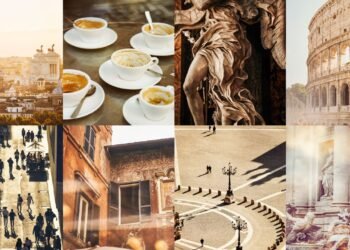
Last July on a working farm called La Sabbiona, deep into the Romagna side of Italy’s Emilia-Romagna region, I gathered in the shade of the garden with 20 others around a long table that had jugs of wine and mismatched earthenware on it. The farm keepers and cooks placed platters of prosciutto coppa and Parmigiano in front of us. A light summer breeze gently ruffled the vines on the outer edges of the property. We sipped Lambrusco and took in deep breaths of the floral-scented air and mused on the origins of the slightly curved strozzapreti noodle, which we were to enjoy for lunch (“It means ‘choking the priest,’ and was hand-formed by the Emilian-Romagnol housewives who were upset with the church’s tax system,” explained the Tuscan gentleman on my left). Bologna, the region’s capital, was 42 miles northwest; Rome was 221 miles south; and Rijeka, the coastal jewel of northern Croatia and the city I had gone to sleep in the night before, was a near-straight shot across the Adriatic Sea from the Emilian coast. I had arrived at Italy’s Ravenna that morning as part of the inaugural sailing of Oceania’s Allura, a 1,200-passenger luxury vessel that will be sailing the Mediterranean year-round. By lunchtime this Italian idyll had become our entire universe.
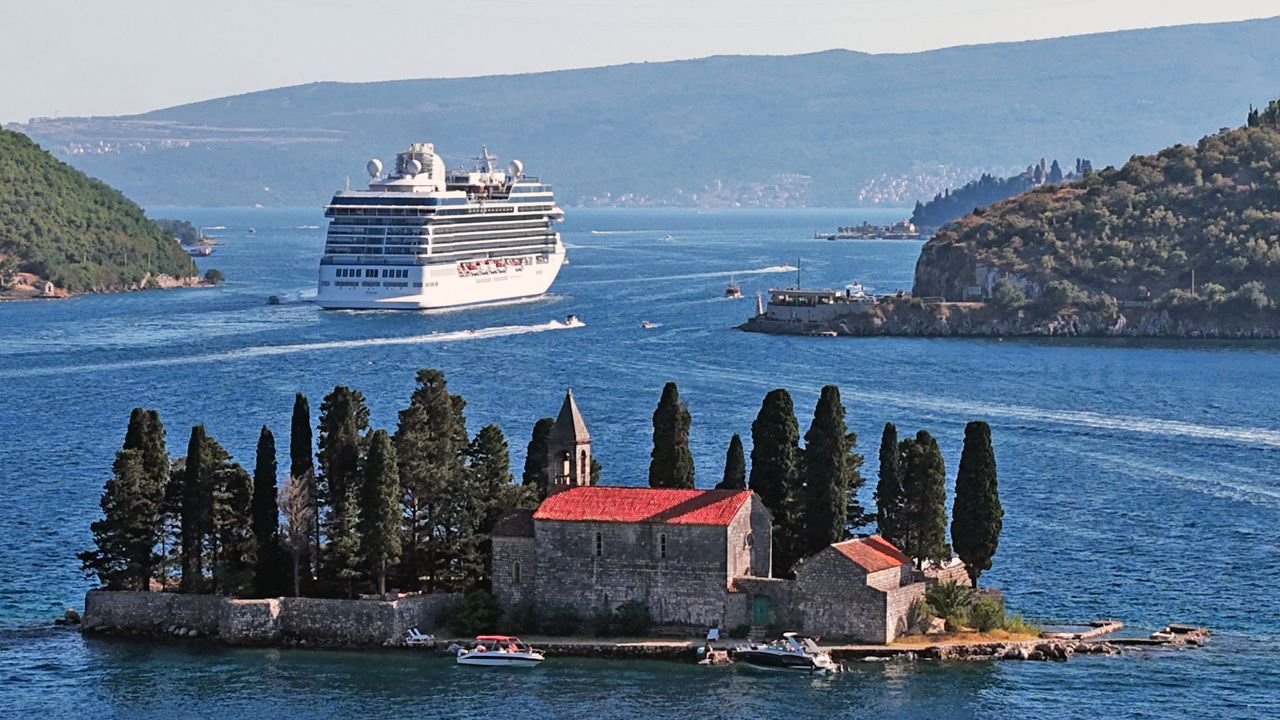
Such a setting and pace, removed from the rush, intentionally slowed down, where one is forced to care simply for the banter at the table, the hours the sauce simmered, and whether the espresso should be splashed with grappa or amaro is a far cry from the tour groups trouncing past a list of Italy’s greatest hits traditionally associated with cruise tourism. And that is precisely the purpose of Oceania Cruises’ approach to its shore excursions. “I spent a week in Rome one summer, hitting up the big sites,” said Oceania’s chief commercial officer Nathan Hickman. “A year later I went back to Rome for a day and spent eight hours in one specific neighborhood. I felt more connected to Rome after that one day than I had after a week the year before. That type of connection is what we are going for.” The company is prioritizing land-based experiences that focus on what Hickman says is curation over ones that tick boxes. This means deeper, more specialized interactions that allow travelers access to places and people that embody hyperlocality. Looking ahead, travelers will be setting traps for Dungeness crabs along the Ketchikan coast with Alaskan fishermen onboard Oceania Riviera or, for those sailing Sirena, diving into the architectural nuances of Marseilles with city insiders. For us on Allura, it would also mean a vineyard lunch on the Kascelan estate, high in the mountains outside Kotor, Montenegro, whose languid setting was virtually unthinkable while among the throngs of travelers pummeling through the tight stone alleyways of the city’s Venetian old town (with an entire rainbow of umbrella-like pointers directing the masses to follow in all directions).