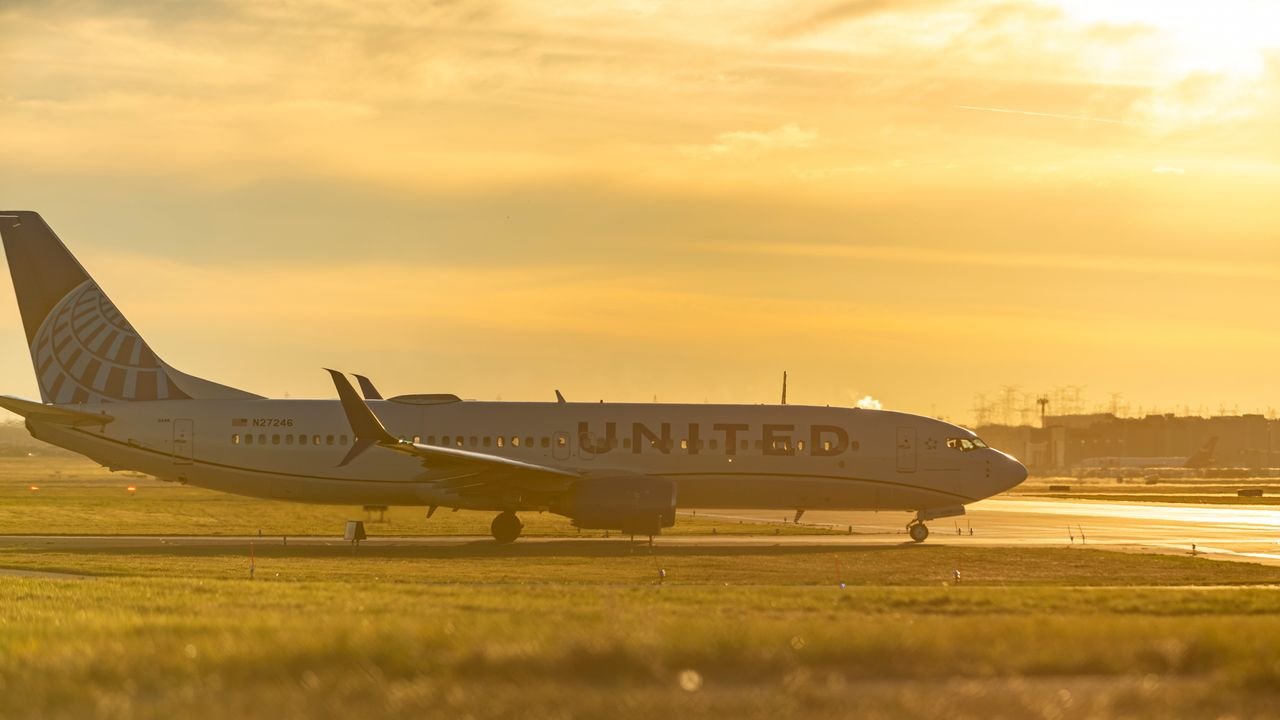
Flights could soon become noticeably more expensive, with a sharp spike in oil prices linked to the conflict in Iran driving aviation fuel costs dramatically higher, causing some airlines to increase ticket prices.
Brent crude briefly surged to $119.50 a barrel earlier this week—about 30% higher than the previous day—before easing back to around $92. But the impact on aviation fuel has been even more dramatic. According to the International Air Transport Association (IATA), the global average price of jet fuel jumped 58.4% week-on-week to $157.41 a barrel, far above the $88 average the industry had expected for 2026.
Part of the surge is being driven by disruption to oil flows through the Strait of Hormuz, one of the world’s most critical energy chokepoints that sits between Oman and Iran. As IATA recently noted in a market update, the waterway—which typically carries around 20% of global oil supply—has become severely constrained as tanker traffic has collapsed.
The disruption is particularly critical for Europe, which relies heavily on fuel shipments from the Gulf. IATA estimates 25% to 30% of the continent’s jet fuel originates from the Gulf, with the association warning that tightening availability will “push jet fuel cracks and product premiums sharply higher amid mounting concerns over physical shortages.”
The first signs of higher ticket prices are already appearing, with Qantas announcing fare increases on international routes and Scandinavian airline SAS introducing what it described as a temporary pricing adjustment.
Air New Zealand has lifted one-way economy fares by NZ$10 ($6) on domestic flights, NZ$20 ($11.80) on short-haul international services, and NZ$90 ($51.75) on long-haul routes, and Hong Kong Airlines said it would increase fuel surcharges by as much as 35.2%.
Jet fuel typically accounts for around a quarter of airlines’ operating costs, according to IATA, meaning that when prices jump sharply, the industry’s thin margins quickly come under pressure. The association’s forecasts put the airline sector’s net profit margin at just 3.7%, equivalent to roughly $7.20 earned per passenger per flight segment—a narrow cushion that leaves airlines little room to absorb prolonged spikes in energy prices.
Research from Skift suggests the financial pressure on airlines could be substantial. The firm estimates that US airlines alone could face around $24 billion in additional fuel costs, implying fares might need to rise by roughly 11% to fully offset the increase.
However, many airlines hedge fuel purchases months in advance by locking in prices through financial contracts—a strategy that can temporarily shield carriers from sudden spikes, although ratings agency Fitch said in a research note this week that, despite that protection, airlines were still “likely to be affected by higher fuel prices.”
According to financial statements released throughout the year, Air France-KLM has hedged about 87% of its fuel exposure for the coming year, while Qantas has 81% hedged for the second half of its financial year. Ryanair has hedged roughly 84% of its fuel needs for the current quarter, and Finnair has hedged more than 80% of its first-quarter fuel purchases.
Getty Images