The planet’s most powerful landscapes rarely announce themselves with trumpet blasts and celeb-drenched opening ceremonies. They are places shaped slowly, by water, wind, and ice, and are best understood through patience rather than spectacle. Away from the obvious icons lie natural wonders where ecology, history, and culture remain tightly interwoven, and where human presence has often been defined by restraint rather than conquest.
This Earth Day, here are seven of our favorites from all across the natural wonders of the world. In an age of accelerating change, they offer a reminder that the world’s deepest beauty often survives precisely because it has been overlooked.
Altai Mountains, Mongolia
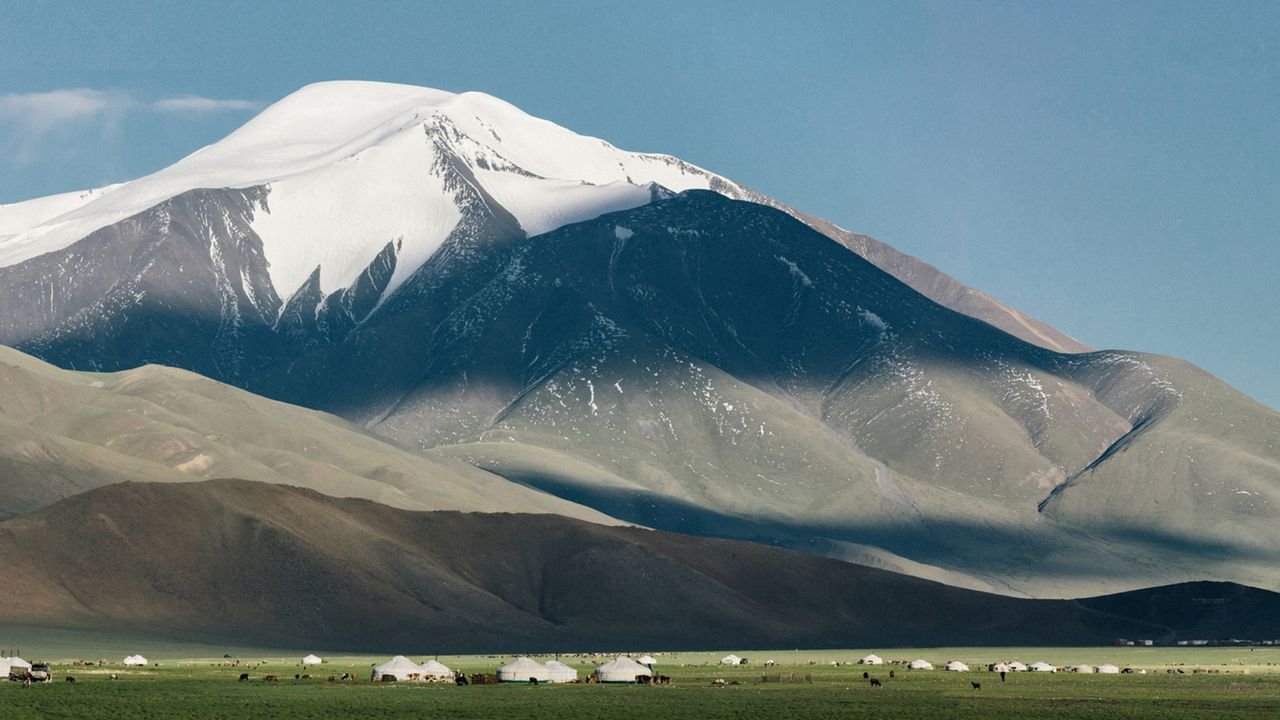
Hunting with eagles on horseback is a tradition found in a region of Mongolia that cleaves close to Russia, China, and Kazakhstan. This is the Altai Mountains, an untamed, unforgiving unfolding of vast, high-altitude wilderness rich in glacial peaks, open steppe, and river-carved valleys. Snow leopards prowl remote ridge lines while the eagle hunters maintain a centuries-old bond with golden eagles below.
Once traversed by Genghis Khan, this is a focal point of Scythian-Turkic culture, whose arid slopes somehow sustain nomadic life that demands constant attentiveness to the environment. Low-impact trekking and homestays offer rare access to a region where human presence still bends to nature’s terms.
If you’re prepared to go beyond the end of the asphalt ribbon, and you don’t mind the occasional yak or grazing horse as your only company for countless miles around, the Altai delivers the closest thing a modern day traveller might experience to embarking upon the ancient Silk Route, equipped only with a tent and sustained only by mutton dinners and cups of the local salty, buttery tea.