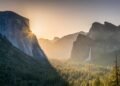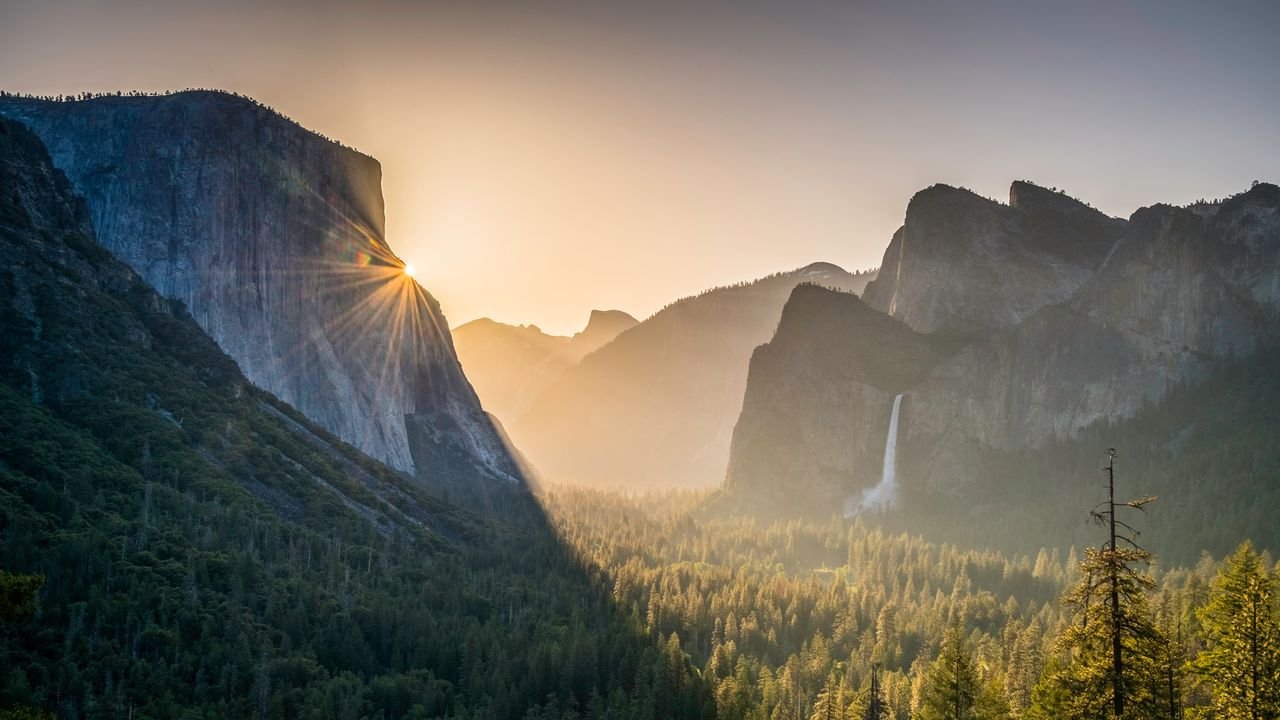
Travelers headed to Yosemite National Park this spring are encountering something the park had largely managed to avoid since the pandemic days: unrestricted peak-season traffic. After five years of enforcing various reservation systems designed to regulate vehicle access during the park’s busiest months, Yosemite has nixed its entry requirements for 2026—a decision that’s already led to instances of overcrowding at the popular park.
According to a statement released by the NPS earlier this year, the move was data-driven: “The decision follows a comprehensive evaluation of traffic patterns, parking availability, and visitor use during the 2025 season,” the NPS said. “Park analysis found that most weekdays maintained available parking, stable traffic flow, and visitation levels within the park’s operational capacity.”
Additional major US national parks, like Glacier, Arches, and Mount Rainer, have similarly dropped their reservation requirements for 2026. With the peak summer travel season just around the corner, the parks are now being put to the test. Here’s what to know.
Will the parks be more crowded as a result?
US national parks continue to see high visitation levels following the pandemic-era surge in domestic travel. Timed-entry supporters argue that reservations help stabilize traffic flow, reduce environmental strain, and improve predictability during peak periods. Opponents say that such systems limit spontaneous access and create barriers for travelers who cannot plan months in advance or navigate complex booking windows.
At Yosemite, the shift is already reshaping how travelers experience one of the country’s most iconic national park destinations. Over the first weekend of May, park officials and visitors reported entrance station backups of up to 90 minutes with parking inside Yosemite Valley filling up before noon. Visitors arriving just after 11:00 a.m. were directed into overflow areas or forced to take lengthy loops through the valley floor as they search for parking spots, SFgate reported.
Yosemite draws several million visitors annually, with peak traffic kicking off in the spring and lasting through early fall. Without required reservations, it’s easier for travelers to enter without prior planning—but if you want to avoid crowds during peak hours and weekends, it’ll require a little more forethought.
Because the park’s infrastructure has not yet changed to match fluctuating visitation models, parking capacity and shuttle systems are still fixed—meaning that by late morning on high-demand days, mobility inside the valley may become increasingly constrained.