No Result
View All Result
Global Finances Daily
  • Alternative Investments
  • Crypto
  • Financial Markets
  • Investments
  • Lifestyle
  • Protection
  • Retirement
  • Savings
  • Work & Careers
No Result
View All Result
  • Alternative Investments
  • Crypto
  • Financial Markets
  • Investments
  • Lifestyle
  • Protection
  • Retirement
  • Savings
  • Work & Careers
  • Login
Global Finances Daily
No Result
View All Result
Home Savings

CFPB: ‘Enormous’ Savings for Americans by Limiting Overdraft Fees

January 19, 2024
in Savings
0
Cara Smith


Large bank overdraft fees may become a thing of the past as part of the Biden administration’s push against so-called “junk fees.”

The Consumer Financial Protection Bureau this week announced proposed restrictions on overdraft fees that it says could save Americans over $3.5 billion each year. Major banks typically charge as much as $35 for each overdraft transaction; under the new rule, those fees could plummet to as low as $3 per transaction.

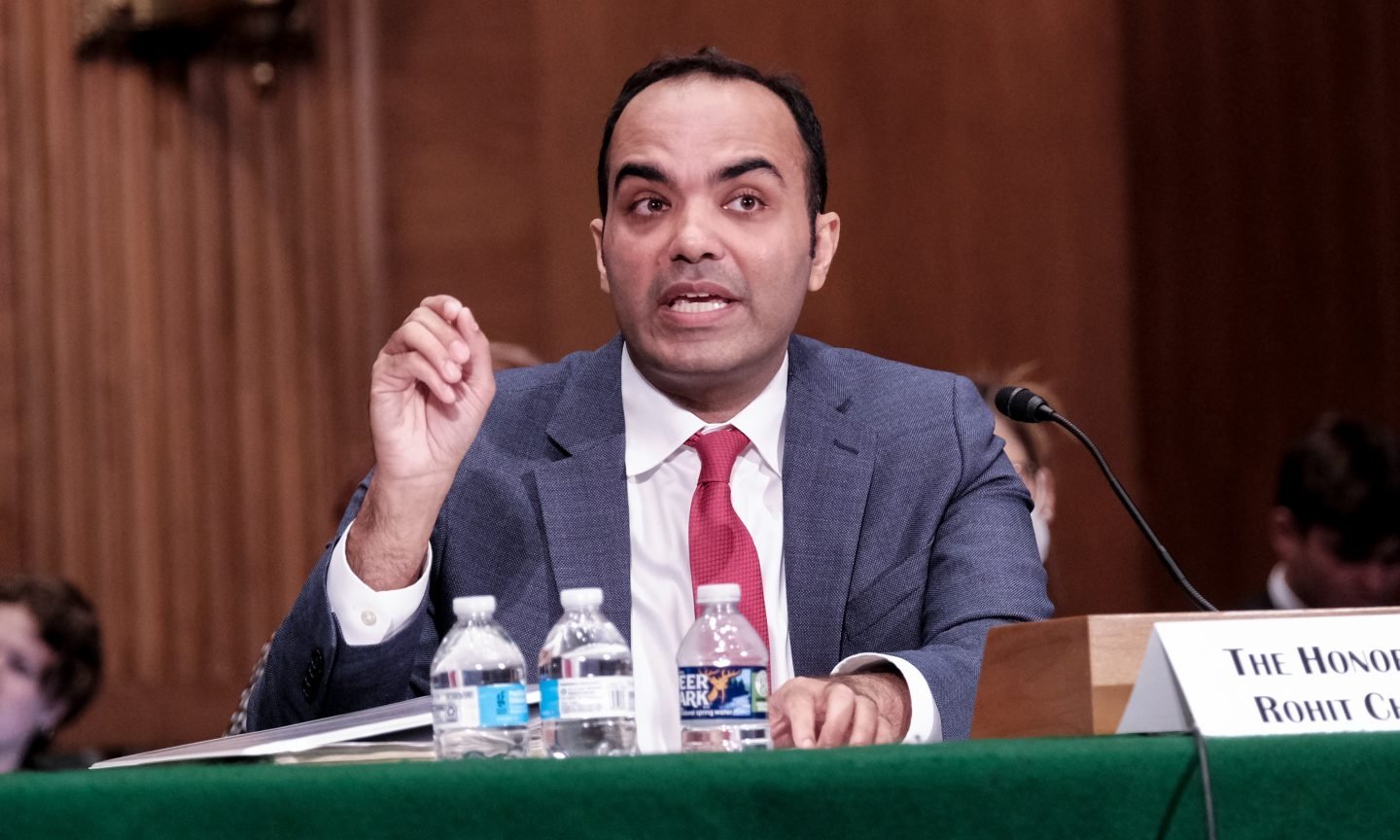
“Ultimately, we think the result is going to be an enormous amount of savings, especially for families who live paycheck to paycheck,” Rohit Chopra, director of the CFPB, told NerdWallet. “We’ll see a lot fewer surprises and shocks when it comes to overdraft fees.”

The CFPB’s proposed restrictions — which would go into effect in October 2025 — will close a loophole that allows banks to issue overdraft loans without adhering to consumer protections required by the 1968 Truth in Lending Act. The act requires banks to provide consumers with loan terms, interest rates and other loan cost information when issuing credit card or bank loans, but these rules haven’t applied to banks lending money to cover overdrawn accounts. This has allowed banks to issue overdraft loans that come with steep fees without first notifying consumers.

Under the new proposed rules, banks would have two options for how they treat overdraft protection: offer overdraft loans as a profit-generating measure, or offer overdraft loans as a courtesy. If banks opt for the first option, they’ll be required to treat overdraft loans like any other bank loan and disclose all fees and interest charges upfront, so customers can shop around for a loan with better terms.

Banks that choose the second option would only be allowed to charge fees in line with their costs, or “in accordance with an established benchmark,” per the CFPB. The agency has proposed benchmarks of $3, $6, $7 or $14 — meaning that, at most, customers would be charged a $14 overdraft fee.

“What we’re doing is pretty straightforward,” says Chopra. “If you’re borrowing from your bank, you should have the same protections that you have when it comes to other loans. That means you’ll get clear disclosures about the interest rate that you’re paying, and you’ll have some meaningful limitations when it comes to fees.”

Banking industry lines up against the proposal

Banking leaders slammed the proposed regulations, and more industry pushback seems likely. Rob Nichols, president and CEO of the American Bankers Association, said in a statement that the CFPB’s regulations are the agency’s latest attempt to “demonize and mischaracterize highly regulated and clearly disclosed bank fees for a service that surveys consistently show Americans value and appreciate.”

As well, the president and CEO of the Consumer Bankers Association, Lindsey Johnson, echoed those sentiments. “This proposal on overdraft price setting is just the latest in a myriad of unnecessary and costly regulations by this administration that seems guided by political polling, rather than by sound policy created by what should be independent agencies,” Johnson said in a statement.

While 17% of U.S. households pay at least one overdraft fee in a given year, people living on tight budgets will especially benefit from the new restriction, Chopra says. CFPB research found that 9% of consumers paid over 10 overdraft and NSF (nonsufficient funds) fees per year, for a median outlay of $380. Collectively, they paid 79% of all combined overdraft and NSF fees.

The new restriction would apply to banks with more than $10 billion in assets. This covers 175 banks, including the largest U.S. banks, such as JPMorgan Chase, Bank of America, Wells Fargo and Capital One.

The CFPB is seeking public comment on the proposed restrictions. Comments must be received on or before April 1, 2024.

Photo by Michael A. McCoy/Getty Images News via Getty Images

Editorial Team

Editorial Team

Related Posts

Mortgage rates near 6-month high — but here’s how much worse it would be without Freddie and Fannie’s bond buying
Savings

Mortgage rates near 6-month high — but here’s how much worse it would be without Freddie and Fannie’s bond buying

March 26, 2026
Micron’s stock is dropping. Is Google partly to blame?
Savings

Micron’s stock is dropping. Is Google partly to blame?

March 26, 2026
This fund has jumped 1,200% on Anthropic and SpaceX hype. Retail investors should be cautious.
Savings

This fund has jumped 1,200% on Anthropic and SpaceX hype. Retail investors should be cautious.

March 25, 2026
This ‘single greatest’ stock-market predictor has never been more bearish
Savings

This ‘single greatest’ stock-market predictor has never been more bearish

March 25, 2026
Sports betting weighs on consumers' credit health
Savings

Sports betting weighs on consumers’ credit health

March 25, 2026
The firm whose AI paper knocked the whole market is out with another big call
Savings

The firm whose AI paper knocked the whole market is out with another big call

March 25, 2026
Load More
Next Post
Aggregate stablecoin supply sees largest increase since October

Aggregate stablecoin supply sees largest increase since October

Popular News

  • Oil prices fall on reports of a U.S. ceasefire proposal with Iran

    Oil prices fall on reports of a U.S. ceasefire proposal with Iran

    0 shares
    Share 0 Tweet 0
  • BlackRock’s Fink on why he won’t cash out private-credit investors: ‘Those are the rules, live with it.’

    0 shares
    Share 0 Tweet 0
  • How to Contact Hilton Customer Service

    0 shares
    Share 0 Tweet 0
  • Majority of Fitch-rated sub lines have AA+ rating

    0 shares
    Share 0 Tweet 0
  • The Best Luxury Hotels in Kansas City, Whether You’re Visiting for Barbecue or the World Cup

    0 shares
    Share 0 Tweet 0

Latest News

Bitcoin

Bitcoin Activity Index Keeps Declining: Demand Still Weak?

March 26, 2026
0

Trusted Editorial content, reviewed by leading industry experts and seasoned editors. Ad Disclosure CryptoQuant’s Network Activity Index for Bitcoin has...

Artists Love the XP-Pen Magic Note Pad Drawing Tablet, and It's $140 Off During Amazon's Big Spring Sale

Artists Love the XP-Pen Magic Note Pad Drawing Tablet, and It’s $140 Off During Amazon’s Big Spring Sale

March 26, 2026
0

We may earn a commission from links on this page. Deal pricing and availability subject to change after time of...

UK Pushes Ahead Temporary Ban Crypto Political Donations

UK Pushes Ahead Temporary Ban Crypto Political Donations

March 26, 2026
0

The UK government is advancing plans for a moratorium on political donations made through cryptocurrencies, following an independent review and...

StandardAero Q4 2025 slides: 16% revenue growth, LEAP momentum builds

StandardAero Q4 2025 slides: 16% revenue growth, LEAP momentum builds

March 26, 2026
0

StandardAero Q4 2025 slides: 16% revenue growth, LEAP momentum builds

Global Finances Daily

Welcome to Global Finances Daily, your go-to source for all things finance. Our mission is to provide our readers with valuable information and insights to help them achieve their financial goals and secure their financial future.

Subscribe

  • About Us
  • Contact
  • Privacy Policy
  • Terms of Use
  • Editorial Process

© 2025 All Rights Reserved - Global Finances Daily.

No Result
View All Result
  • Alternative Investments
  • Crypto
  • Financial Markets
  • Investments
  • Lifestyle
  • Protection
  • Retirement
  • Savings
  • Work & Careers

© 2025 All Rights Reserved - Global Finances Daily.

Welcome Back!

Login to your account below

Forgotten Password?

Retrieve your password

Please enter your username or email address to reset your password.

Log In
This website uses cookies. By continuing to use this website you are giving consent to cookies being used. Visit our Privacy and Cookie Policy.