Any cheap imported products you buy online for delivery straight to your door will probably get more expensive in the coming days. That includes inexpensive electronics, books, clothes, shoes, home goods, pet supplies, toys and games, health products, beauty products and on and on.
Why? A rule that prevents tariffs from being applied to cheap, small goods ends on Friday.
Until now, you, the consumer, could buy up to $800 worth of goods per day directly from an overseas company or manufacturer free of tariffs.
The end to the de minimis exemption means two key things will happen: (1) Your small-item direct purchases will cost more; (2) It’ll take longer to receive them. Here’s why:
-
All imported direct-to-consumer purchases, no matter how small, will be subject to tariffs, duties, handling or other fees. Those added costs will be added on top of the “headline price.” That means that a shirt listed for $20 will have tariffs or duty fees, processing fees and sales tax added to the final amount you pay at checkout.
-
The process from purchase to arrival at your door is more onerous. All small-item purchases must go through the full import procedure rather than getting a fast-pass through shipping. That process includes customs filing, duty assessment and payment before packages are released for shipment.
The de minimis exemption has been in place since 1938, originally intended to ease trade inefficiencies. It was expanded in the 1990s to cut costs for businesses and consumers. In 2016, then-President Barack Obama signed a bill that raised the limit from $200 to $800. Back in May, Trump ended the de minimis exemption for imports under $800 from China. As of Aug. 29, no trade partner will be spared from tariffs on low-value imports.
What’s going to change for consumers?
The White House says the specific duty on each package will be assessed according to each country’s effective tariff rate:
-
Rate under 16%: $80 duty per item.
-
Rate between 16% and 20%: $160 per item.
-
Rate above 25%: $200 per item.
Baseline tariffs of at least 10% were set on most trading partners in April, and several countries were hit with significantly higher tariffs early this month. The tariff on goods from China stands at 30% currently.
You’ll likely see higher headline prices for imported items sold through U.S. distributors. That means that your in-store purchases will probably get more expensive, too, if the distributor doesn’t eat the added duty costs.
Research by the National Bureau of Economic Research, Yale University and UCLA, released in February, projects that by eliminating the de minimis rule, the cost to consumers would be between $11 billion and $13 billion, overall. The paper also says that the burden would fall hardest on lower-income households, who tend to rely on cheaper direct imports like household goods and clothing.
Why is the exemption ending?
The White House, in an announcement issued July 30, says the end to the exemption is necessary to deter the flow of illicit drugs like fentanyl from crossing borders into the U.S.
Small-dollar imports have increased dramatically from 153 million small shipments in 2015 to over 1 billion in 2023. That jump was driven primarily by two factors: the $800 threshold increase in 2016 and the explosive rise of e-commerce. Online retailers like Amazon, Shein and Temu made it easier for people to purchase cheap goods directly from overseas sellers. De minimis shipments have become the go-to for sellers, who split orders into multiple packages to stay under the $800 limit.
Another recent rule bars transhipping — the practice of routing shipments through other countries with lower tariff rates to avoid paying high tariffs. Unless retailers opt to swallow the extra costs of shipping directly to consumers, the combination of these two rules means your cheap purchases are likely to get more expensive.
Ahead of the exemption ending, several European shipping companies paused services temporarily to adjust their processing systems, including Britain’s Royal Mail, France’s La Poste; Germany’s Deutsche Post and DHL Parcel, Spain’s Correos, Poste Italiane, the Swiss Post, PostNord and as well as postal services out of Austria, Norway, Sweden and Belgium. Japan, New Zealand and India’s postal services have suspended deliveries, as well.
The end of the exemption means that some retailers could opt to offer a more limited selection of products to U.S. shoppers. Consumers may also change how they shop by switching to U.S. retailers or reducing online shopping habits. Or consumers may just buy less stuff rather than accept price hikes.
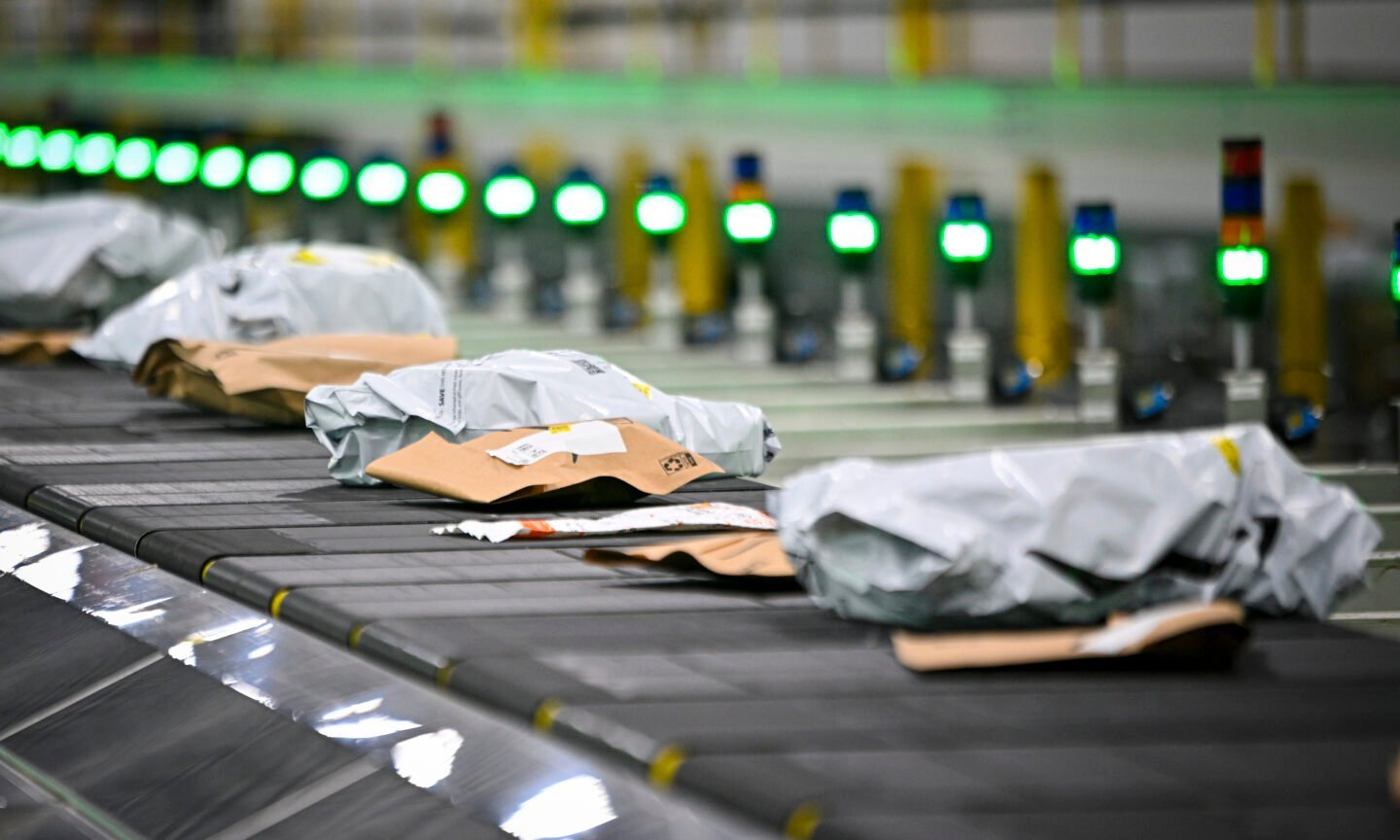
(Photo by Miguel J. Rodriguez Carrillo/Getty Images News via Getty Images)