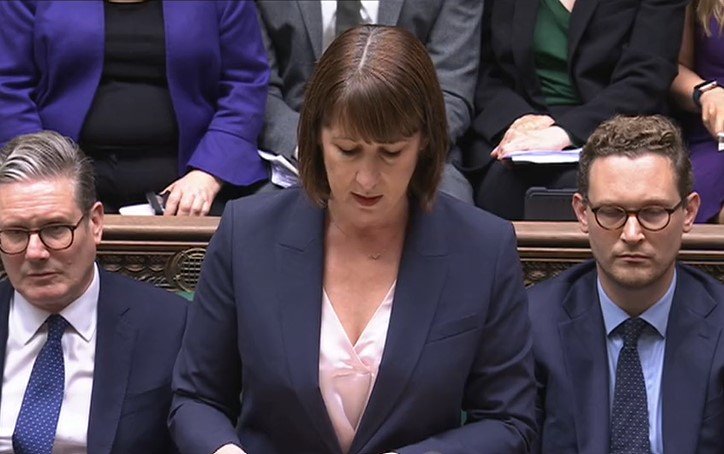
The chancellor has been urged to drop reported plans to cut the Cash ISA allowance at next month’s Budget.
MPs and wealth firms have warned that such a move would discourage saving and fail to boost investment in UK markets.
The Treasury Committee, backed by leading investment firms including AJ Bell, said cutting the allowance would do little to achieve the government’s goal of encouraging more retail investors into UK equities.
Research from AJ Bell found only one in five savers would move money into the stock market if the Cash ISA allowance were reduced or abolished. The firm said simplifying ISAs, rather than restricting them, would be a more effective way to encourage long-term investing.
The call comes after reports suggested chancellor Rachel Reeves may look to cut the current tax-free allowance in half, from £20,000 to £10,000 a year.
AJ Bell’s director of public policy, Tom Selby, said: “While the chancellor’s policy goal of boosting retail investing in the UK is the right one, slashing the Cash ISA allowance would be a clumsy and ineffective way to go about it.
“All this would do is hardwire the barriers that currently exist between Cash ISAs and Stocks and Shares ISAs, when behavioural research tells us tearing these barriers down and simplifying the landscape would be the most effective way of helping more people invest for their financial future.”
Selby warned that lowering the allowance could trigger a “use it or lose it” mindset, creating further friction in the system and discouraging transfers between Cash and Stocks and Shares ISAs.
AJ Bell has called for a radical simplification of the ISA system, starting with the merger of Cash ISAs and Stocks and Shares ISAs into a single tax wrapper.
Behavioural research supported by AJ Bell found the current siloed structure reinforces short-term saving habits and deters investors from taking a long-term approach.
The study concluded that simplifying ISA options and removing the distinction between cash and investments could help more people build financial resilience and support the UK’s retail investment market.