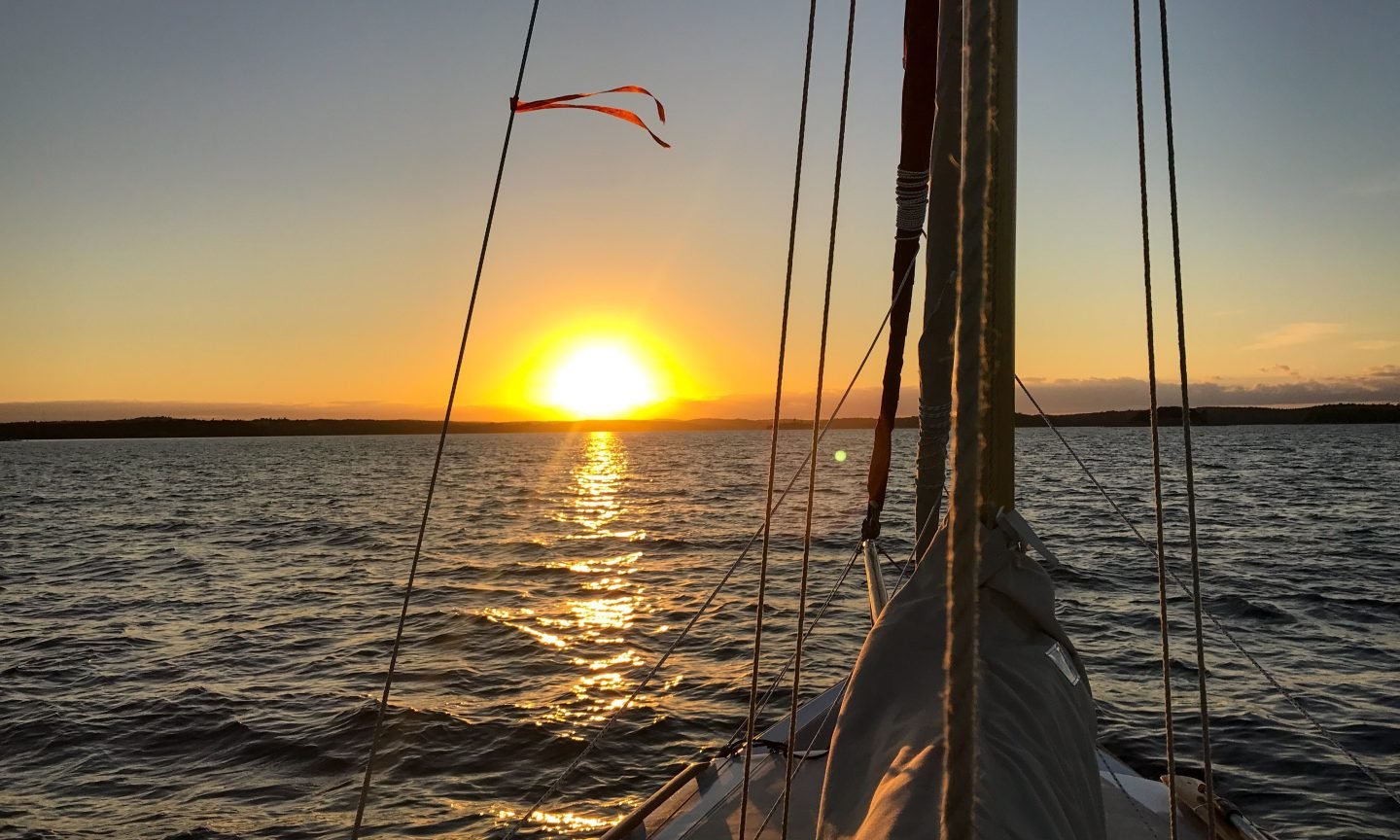
Burial at sea is a method for disposing human final remains in the ocean. It is an alternative to traditional burial and is legal in the U.S. within certain guidelines. Burial at sea is more common among active duty members and Navy veterans than among civilians.
Burial at sea is often less expensive than in-ground burial and can be an appealing choice to those with a special attachment to the ocean. Rules for disposal differ depending on the method.
Here’s what to know about the cost, legal regulations and logistics for a burial at sea.
To bury someone at sea, you’ll need to take a boat or aircraft out to a legal distance from shore to dispose of the remains.
-
According to the Environmental Protection Agency (EPA), disposal must take place at least three nautical miles from shore
United States Environmental Protection Agency. Burial at Sea. Accessed Oct 31, 2023..
-
According to the EPA, efforts should be made to ensure that remains sink quickly and permanently, and the EPA provides instructions for each method, such as adding weight to a burial shroud or drilling holes in a casket so water can enter.
-
Aircraft can only dispose of ashes.
Burial at sea for veterans
Active duty members, retirees and veterans of the U.S. armed services, as well as their dependent family members, may request an official burial at sea that takes place on deployed U.S. Navy vessels. Family members are not allowed at the ceremony, which can take place, on average, from 12 to 18 months after the vessel receives a person’s remains.
Burial at sea is federally legal through a general permit under the Marine Protection, Research and Sanctuaries Act (MPRSA). Here are some rules to keep in mind:
-
In general, noncremated remains must be buried three or more nautical miles from shore and in ocean water at least 600 feet deep. Near certain places, such as central Florida and the areas surrounding the Mississippi River delta, waters must be 1,800 feet deep.
-
Cremated remains can be buried or scattered at any depth three or more nautical miles from shore. However, states regulate the scattering of cremated remains in lakes, rivers or other inland waters (some don’t allow it).
-
A burial casket or cremation urn cannot contain plastic and must not float.
-
Flowers or wreaths must be decomposable, not plastic or synthetic.
-
Floating funeral pyres, burning a boat or transportation and release by a floating device are not permitted. Remains must be disposed of by a boat (or plane for cremated remains) that returns to shore.
-
Pet remains are not allowed to be buried at sea under the general permit.
Some states require a certified funeral director to supervise a sea burial. Even if your state doesn’t require it, it’s best to work with a funeral professional to ensure remains are prepared properly.
Trust & Will
Price (one-time)
One-time fee of $159 per individual or $259 for couples.
Price (annual)
$19 annual membership fee.
Access to attorney support?
No
We like it because
Trust & Will stands out for its quick and easy-to-use process.

Trust & Will
We like it because
Trust & Will stands out for its quick and easy-to-use process.
Price (one-time)
One-time fee of $159 per individual or $259 for couples.
Price (annual)
$19 annual membership fee.
Access to attorney support?
No

Nolo’s Quicken WillMaker
Price (annual)
$99 to $209 per year.
Access to attorney support?
No
We like it because
Nolo’s services are among the most comprehensive on the market.
Nolo’s Quicken WillMaker
We like it because
Nolo’s services are among the most comprehensive on the market.
Price (annual)
$99 to $209 per year.
Access to attorney support?
No
How to plan a burial at sea
-
Find a vessel to transport the remains. There are companies that offer ash-scattering services via airplane, and some boat charter services specialize in transporting casketed, shrouded or cremated remains. Make sure the service you hire can accommodate the number of guests you want to invite to the ceremony.
-
If using a boat, think about whether you should use or rent your own. A professional service may have helpful features such as a platform in the back for easier movement of a casket into the sea.
-
Consider your budget. Burial at sea can cost as low as $195 for an unattended ash-scattering service or as much as $10,000 for a boat charter with over 100 guests. A standard funeral, in comparison, can cost around $10,000 on average.