Private credit could receive a “boost” from the macroeconomic backdrop as the prospect of higher interest rates could ease some concerns over its software exposure and credit quality.
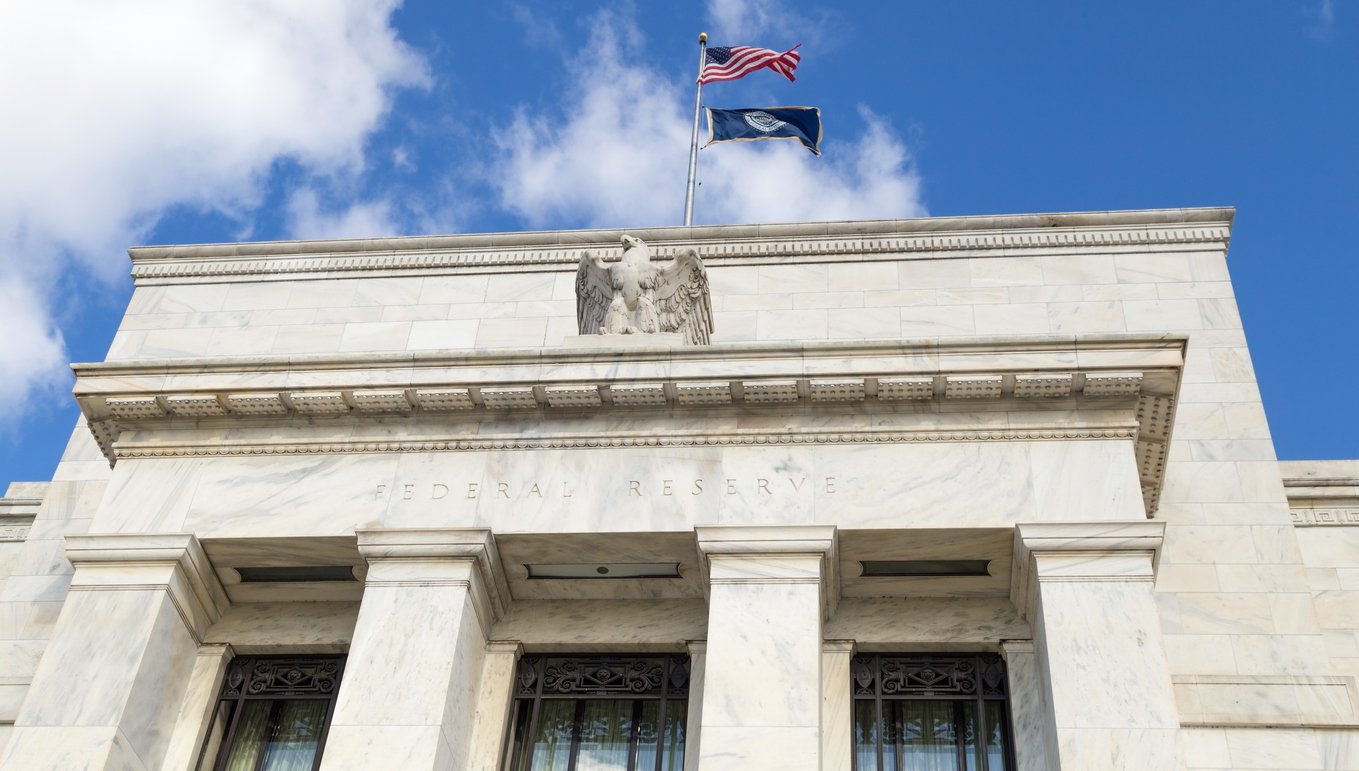
Earlier this month, the Fed held rates steady in the 3.5 to 3.75 per cent range, but its new chair, Kevin Warsh, hinted at a move away from the rate-cut expectations that had prevailed earlier this year.
Across the Atlantic, the Bank of England also kept rates on hold at 3.75 per cent, while the Bank of Japan raised rates to one per cent.
For direct lending, the largest segment of the private credit market, a moderately higher-rate environment can be supportive. As a floating-rate asset class, direct lenders benefit from elevated rates as managers earn higher nominal returns.
Read more: Bank of England reveals stress test for private markets
The macroeconomic backdrop comes as the asset class has faced scrutiny over its exposure to software companies and credit quality concerns. Concerns that have weighed on retail-focused business development companies in the US, which have experienced increased investor redemptions.
“I think, private credit could get a bit of a boost from the macro side. Nominal GDP continues to be very high, and we see a possibility that interest rates will start to rise by the end of the year,” Mahmoud El-Shaer, fixed income portfolio manager at Wellington Management, told Alternative Credit Investor.
“I think more realistic expectations around software of the credit expectations over time and continued macro support will mean that the fear can ease.”
However, the downside of higher interest rates is that they increase pressure on borrowers as the cost of capital rises.
Anant Kumar, global investment strategist at Benefit Street Partners, agreed that private credit would benefit if the Fed keeps rates elevated, “at least in the short-term”. However, he warned that if rates remain high for an extended period, default rates could increase among more marginal borrowers that struggle to service their debt.
“What really matters is whether the new Fed Chair can keep inflation expectations moored over the long term and can convince investors that under his leadership the Fed will make independent decisions to reach that goal,” Kumar added.
In a separate conversation with ACI this week, another US manager suggested the likelihood of further rate rises in the US remains high as inflation continues to be a concern. The manager pointed to policies around immigration, tariffs, tax cuts and conflict-driven increases in oil and gas prices as all inflationary pressures.
“For lending, [a higher-rate environment] is kind of neutral because you earn more nominally, but it might lead to a slightly higher default rate”.
Read more: Oaktree Private Credit Fund redemptions fall below 5pc