Since the late 19th century, when San Francisco got its cable cars and pastel-hued Victorians, Levi Strauss and Ghirardelli Chocolate, it has been the envy of other cities. So the schadenfreude that has erupted recently over home prices and homelessness, street crime and empty office towers, is nothing new. Yes, this city has real problems, but the line at Powell and Market for the cable car,
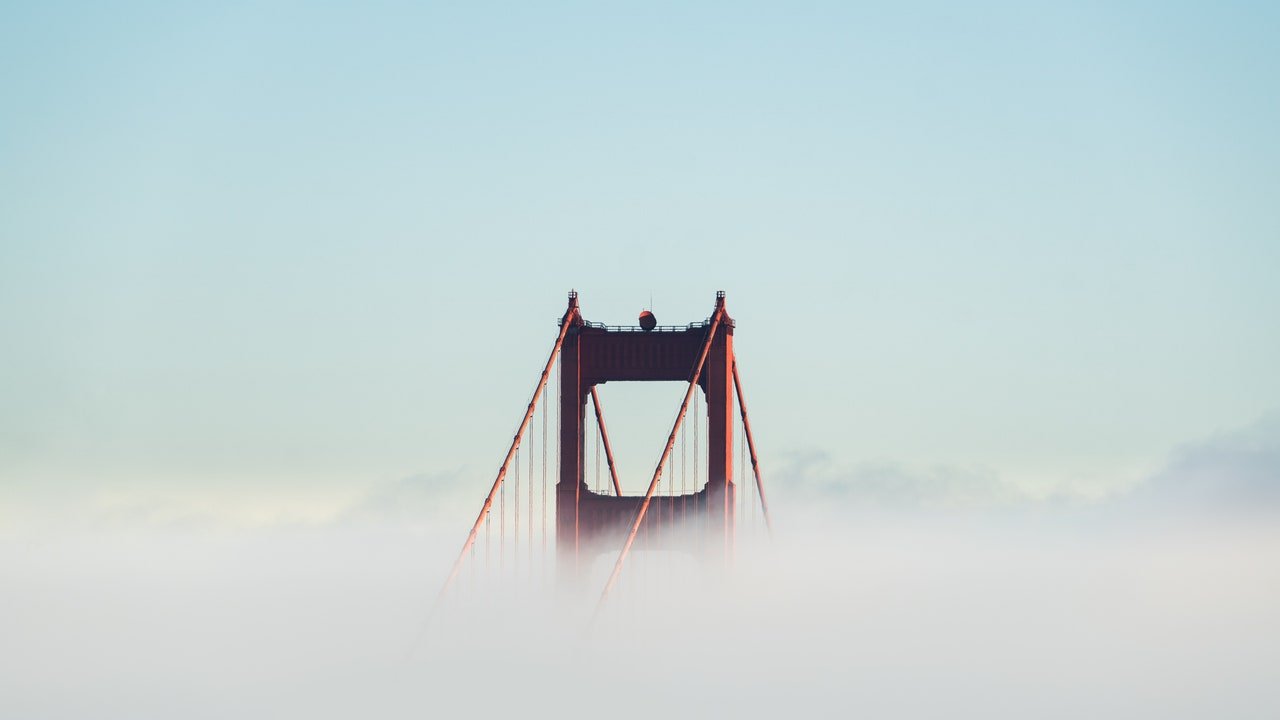
which turns 150 this year, is still long, and world-class restaurants still seem to open nightly. Boom-and-bust cycles have afflicted the City by the Bay since the Gold Rush, but as surely as the fog will roll through the spans of the Golden Gate Bridge this afternoon, San Francisco will rise again.
All listings featured on Condé Nast Traveler are independently selected by our editors. If you book something through our links, we may earn an affiliate commission.

Eat here now
Relying on the region’s legendary produce and purveyors, a diverse group of the city’s chefs and restaurateurs is redefining California cuisine.
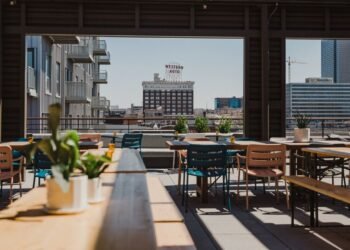
Copra is a new upscale Indian stunner in the Fillmore that riffs on the dishes chef Srijith Gopinathan grew up eating in Kerala. For the table, get a chutney sampler, which includes a wild gooseberry option; the piquant Konkan crab curry with a lacy, wafer-thin appam is too delicious to share. Open for lunch and dinner, but come at aperitivo hour, when the exquisite Martin Brudnizki–designed Bar Sprezzatura downtown glows golden. The amaro-heavy cocktail menu and long list of cicchetti (bar snacks), like white anchovy deviled eggs, will have you lingering Italian style.


As the name implies, Good Good Culture Club chef-owner Ravi Kapur (also behind popular Liholiho Yacht Club) believes that a respected, fairly compensated team is the key to success. The recipe works at this Mission joint, where the vibe—along with dishes like rib eye slicked with a five-spice glaze—is terrific. For elevated Korean barbecue spot San Ho Won in the Mission, chefs Corey Lee (behind three-Michelin-starred Benu) and Jeong-In Hwang dug deep into their heritage. The precision of the flavors, technique, and service (ask for a soju primer) makes it one of the toughest reservations in town.
.jpg)

The city’s bagel-and-pizza game got a lot stronger with a single opening of The Laundromat. Mornings, the lines for chewy everythings with smoked-salmon cream cheese are long at this former coin-operated launderette in the Richmond. Evenings, it’s Sicilian-style pies and glasses of zippy Lambrusco. A tenderloin addition to the city’s Korean fine-dining scene is Suragan, where chef Jongmoon Choi relies on historical cookbooks to create seasonal tasting menus. This summer, he’s consulting the Eumsik Dimibang, a text from the 1670s, to prepare dishes like fish dumplings and baby corn kimchi.

Beyond the bay
With scores of fine-dining restaurants, world-class wineries, and luxury resorts, Napa and Sonoma have undeniable appeal. But if you want to keep it closer to the city, head instead to West Marin and its trio of tiny villages–Olema, Point Reyes Station, and Inverness. To reach this magical part of the county, surrounded by Tomales Bay and Point Reyes National Seashore (100 square miles of pure Pacific wilderness), your GPS will doubtless send you up Highway 101. Instead, take the long way and commit to 30 windy miles on Highway 1; the drive across the Golden Gate Bridge and through the Marin Headlands is majestic. In addition to easy access to excellent hiking along the Pacific and kayaking on Tomales Bay, each of the villages has something sweet to see and do: in Point Reyes, an eponymous indie bookstore; Due West Tavern in Olema; Inverness’s cove-facing Saltwater Oyster Depot. There’s a scattering of cute B&Bs and plenty of rental homes in the area. When Mankas, a 1917 hunting lodge that’s been a treasured NorCal hideaway for decades, reopens early next year after a thorough reimagining by its new co-owner, heavyweight designer Ken Fulk, the secret will be out on this corner of Marin.