1Password is one of our favorite password managers, especially for users who are new to password management tools. It has a handful of unique features and hidden hacks that keep your data safe and secure while also making it accessible when you need to log into an account, make an online payment, or view a sensitive document. Here’s how to get the most out of your 1Password subscription.
Enable Travel Mode to hide your more sensitive data at border crossings
Travel Mode is one of 1Password’s most unique features, and it’s especially useful for anyone concerned about keeping their data private when crossing international borders. When Travel Mode is enabled, password vaults are removed from your devices unless you’ve marked them as “safe,” so anyone accessing your phone or computer for inspection won’t be able to see anything you’ve hidden. You can only manage Travel Mode at 1Password.com: after logging in, select your name > Manage Account and turn on Travel Mode. If you need access to some of your data, you can add items to a separate vault and mark that vault as safe under the Vaults section of the sidebar. All other vaults will be removed from desktop and mobile apps and unavailable to view on the web app and browser extension.
Use virtual cards to protect your credit card details when paying online
A virtual credit card is a temporary payment card with a randomly generated number that you can use for online purchases without revealing your real card information, providing an extra layer of protection against fraud. 1Password integrates with Privacy.com, a third-party service that lets you create cards for specific merchants as well as set spending limits and rules for recurring use. 1Password will then suggest your Privacy Card when you check out on that merchant’s website. You do need to create a Privacy account—the free tier allows up to 12 cards per month—and have the 1Password browser extension.
Set up expiry alerts so you don’t miss renewal deadlines
1Password has more than a dozen item types ranging from standard login credentials and credit cards to passports and software licenses—and many of these require renewal or updating at specific intervals. Instead of trying to remember when documents and accounts are set to expire, you can have 1Password remind you automatically (so you’ll never have to scramble to renew your passport again). Add a date to the item record, then set an expiry alert ranging from 1 day to 9 months in advance, or choose a custom reminder date.
Add authentication codes to shared vaults to avoid texting them back and forth
1Password saves your one-time passwords (OTPs) used for multi-factor authentication (MFA) and automatically fills them when you log into a website with your username and password. While MFA is highly recommended, it can be tedious for shared accounts where one person has the rotating authentication codes on their device while someone else is trying to log in from a different location. To avoid having to text codes back and forth, set them up in 1Password and add the item to a shared vault. While any user can share individual vault items, you must have a Families plan to set up shared vaults.
Use a temporary vault to share logins with guests
Another Families feature is guest vaults, which let you share specific items with people outside your family or household on an as-needed basis. For example, you could use guest vaults to share wifi information, smart lock codes, and streaming service logins with visitors or your babysitter. Guests don’t need to have their own 1Password accounts, and they won’t be able to see any other vaults on your plan. Add guests on the web app under the Invitations tab. Go to Invite by Email, enter their address, and select Guest > Invite. You can remove guests at any time under the People tab.
Save your router information to generate a QR code for instant connection
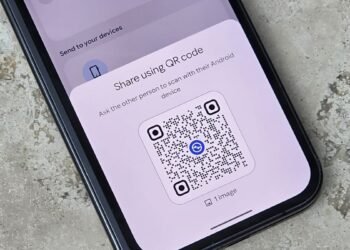
When you add your wireless router to 1Password, the app will automatically generate a QR code, allowing anyone to join your network simply by scanning. Tap New Item > Wireless Router and enter the network name and wireless network password (at a minimum—you can complete the other fields if you want to). The QR code will appear at the bottom of the item. You can also hide QR codes by default under Settings > Security > Concealed Fields, which means you’ll need to select Reveal before scanning.
What do you think so far?
1Password already makes it relatively easy to find passwords and other items in your vault with sorting options, including those most frequently or recently used, and a Tags field for custom search keywords. You can also add physical locations, and items will appear in a section called Nearby in the mobile app when you’re within a certain distance—this quickly pulls up rewards numbers, health insurance information, or travel documents when you’re out and about. Open a record, select Edit, tap Add A Location, and paste the map link or coordinates from Apple Maps or Google Maps into the field. On mobile, you can set your “Nearby” radius between 50 feet and 10 miles.
Another useful organization feature in 1Password is the ability to link related items together—when you search for and open one item, everything you’ve linked to it will show up in that item’s details without a separate search. For example, you could link bank accounts and credit cards to the Login item for your financial institution or a secure note or document to any relevant credential or other document. When editing an item, tap Add More > Link to a related item, search for the item, and click Save.
Archive old credentials to keep them secure but hidden from view
If you have logins, documents, notes, or other records that you no longer actively use but don’t want to lose, you can archive them in 1Password. This sends them to the Archive folder, removes them from search results, and prevents them from being suggested for autofill. Unlike deleting, however, you can restore them at any time. Open the record you want to archive and tap the three dots > Archive (or drag and drop on desktop).
Use 1Password as your “in case of death” folder for your most secure documents
1Password is a secure way to store much of your “digital estate.” This includes your usernames, passwords, and accounts, obviously, but also sensitive documents and personal files like titles, deeds, wills, certificates, licenses, photos, scans, and information about digital assets. All users get 1GB of storage, and you can upload files via New Item > Document > Add File. (Use the hack about linking related items to keep things organized.) While 1Password doesn’t have a legacy access feature to pass your vault onto a trusted contact in case of incapacity or death, you can plan ahead for this to ensure your data isn’t locked away permanently. One option is to use the Emergency Kit, which is a written record for accessing your account—put this in secure storage, either physical or digital. Alternatively, you can set up and share recovery codes with a trusted contact.