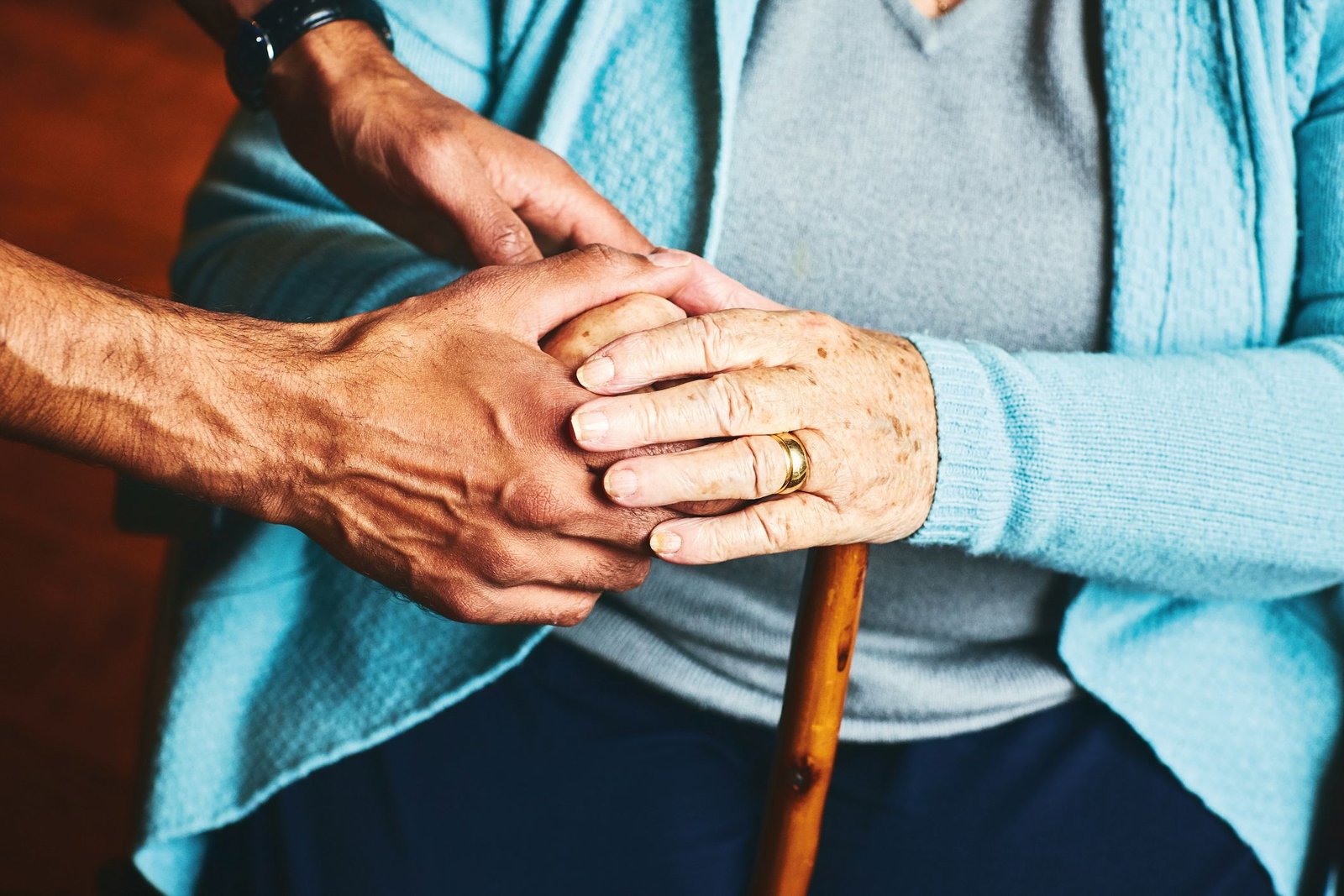
Two thirds of people are likely to take time off work to provide unpaid care at some point during their working life that results in £5,000 less in their pension pots.
This was discovered by PensionBee in its Carer’s Pension Gap report which highlights the extent of unpaid care in the UK and how it affects people’s retirement savings.
The report also found that 67% of people have already taken time off work to provide unpaid care for someone.
Every year spent out of work to perform unpaid care, results in a pension pot being roughly worth £5,000 less at retirement.
The online pension provider’s report identified the five key life moments when a working adult may need to provide unpaid care.
The biggest number at 48% were people taking care of their children, 30% looking after their parents, 21% for caring for a partner and 15% for grandparents.
Only 5% stated that they would care for their grandchildren but this rose to 19% of carers aged between 55 and 64.
PensionBee explained that the majority of these situations are likely to occur in the run-up to retirement.
A higher proportion of female carers look after their children, the report found, which PensionBee believes is a factor in causing the gender pension gap.
Male carers are more likely to look after parents or partners.
The research also found that someone who has taken time out of work to care can expect a basic standard of living in retirement, with an annual income of approximately £20,000 including a full State Pension and an annuity.
This falls short of the £23,000 that the Pensions and Lifetime Savings Association recommends for a moderate standard of living in retirement.
PensionBee director of public affairs Becky O’Connor said: “We are a nation of carers. Millions of workers; both male and female, old and young, are filling the gaps created by a lack of social care support, at great personal cost. The chance of this affecting any one of us throughout our working lives is high. The consequences go beyond pensions and security in later life, affecting people’s careers, personal lives, and also the UK economy.”
Aegon head of pensions Kate Smith added: “The carers’ pension gap is a growing issue and it’s important this is highlighted. At some point in their life most people will be a carer, whether that’s to look after dependent children early in their working life or taking time out later on to look after elderly relatives or sick partners.
“Lengthy gaps out of the workplace can have a devastating impact not only on people’s incomes, but also on their ability to save in a pension and ultimately their future.
“In their early 50s people may be on track for the retirement income they aspire too, when suddenly, out of the blue, their situation changes when a loved becomes sick, forcing them to take time out of work.”
PensionBee spoke to a survey of 1,489 in April 2023 in order to gather these results.