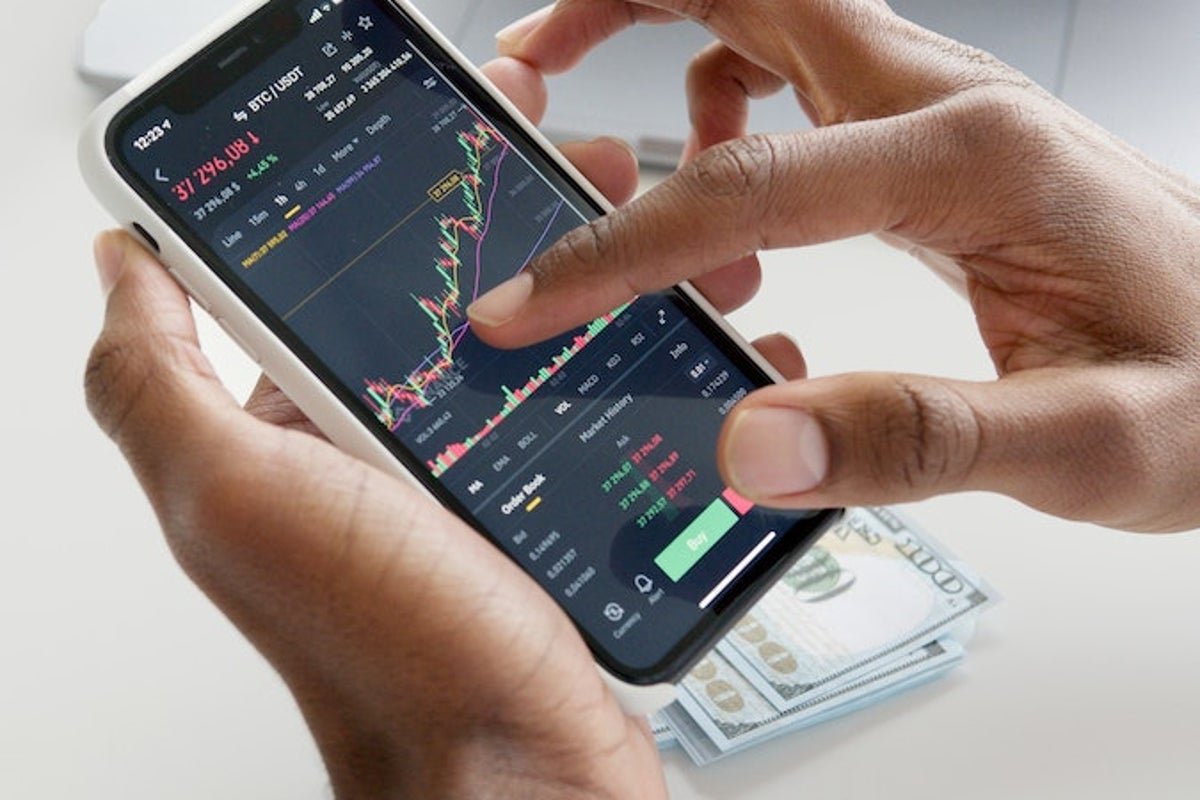
Imagine a trader who can monitor markets 24/7 for new trading opportunities while using risk management techniques to control and minimize potential losses. AI trading bots, or artificial intelligence trading bots, can do all that. While many are hesitant to use AI as part of their investment strategy, it’s clear that AI trading bots can play a role in data collection, analysis, pattern recognition and strategic development for many investors.
Read on to understand what is an AI trading bot and how it can help you with a focused investment strategy.
How Do AI Trading Bots Work?
AI trading bots, also known as algorithmic trading bots or automated trading systems, use artificial intelligence and algorithms to execute trades in financial markets. You can use AI trading bots for stocks and AI trading bots for cryptocurrency. In fact, some experts are heralding AI bot trading or the best crypto trading bots as the future of cryptocurrency investing. Here’s a breakdown of the key functions of AI trading bots.
Data Collection
The AI trading bot gathers vast amounts of financial data, including real-time market prices, news feeds, economic indicators and historical price data. This information is the basis for generating trading signals and making informed decisions.
Analysis and Pattern Recognition
AI trading bots employ sophisticated algorithms and machine learning techniques to analyze the collected data. They identify patterns, trends, correlations and other indicators that may suggest potential trading opportunities beyond regular financial analysis.
Strategy Development
Based on the analysis of the data, the AI trading bot develops trading strategies or uses predefined strategies programmed into its system. These strategies determine the criteria for entering and exiting trades, risk management techniques and other parameters.
Decision-Making and Trade Execution
Once the trading bot identifies a favorable trading opportunity according to its strategy, it automatically generates buy or sell signals. These signals can be based on factors such as technical indicators, price movements or fundamental analysis. The bot then executes trades on behalf of the user, sending orders to the exchange or trading platform.
Risk Management
AI trading bots incorporate risk management techniques to control and minimize potential losses. These techniques may include setting stop-loss orders, position-sizing algorithms or implementing trailing stops to protect profits. Risk management strategies aim to mitigate the impact of unfavorable market movements.
Monitoring and Adaptation
The AI trading bot continuously monitors market conditions, price movements and other relevant factors. It adapts its strategies and algorithms based on real-time data, adjusting to changing market dynamics and optimizing its performance over time.
Performance Evaluation and Optimization
AI trading bots often include performance evaluation features that track the bot’s profitability, win rates and other metrics. These evaluations help refine the bot’s algorithms, identify areas for improvement and optimize trading strategies to achieve better results.
Key Factors to Consider When Choosing a Trading Bot
Not all trading bots are equal, from functionality and features to security and brand reputation. The government issues warnings about AI claims to help you protect yourself. Weigh the following factors in selecting a trading bot that offers exceptional performance and meets financial requirements.
Functionality and Features
Assess the functionality and features offered by the trading bot. Look for features such as customizable strategies, backtesting capabilities, risk management tools, portfolio diversification options and compatibility with multiple exchanges or trading platforms. Consider whether the bot aligns with your trading style and preferences.
Strategy and Customization
Understand the bot’s trading strategies and evaluate whether they align with your investment goals. Look for a bot that allows customization so that you can adjust or create your own trading strategies based on your specific requirements and risk tolerance.
Reputation and Transparency
Research the reputation and track record of the trading bot provider. Look for user reviews, testimonials and feedback from other traders who have used the bot. Transparency regarding the bot’s performance, historical results and associated fees is also essential. Beware of providers that make unrealistic claims or promises of guaranteed profits.
Security and Reliability
Ensure that the trading bot and its platform have robust security measures in place, including encryption protocols, two-factor authentication and secure storage of user funds and data. Look for a bot with a reliable uptime record and minimal downtime to ensure uninterrupted trading.
Supported Exchanges and Assets
Check which exchanges and trading pairs the bot supports. Ensure that it covers the markets you intend to trade and supports the specific cryptocurrencies or assets you are interested in. Some bots may be limited regarding the exchanges or assets they can trade.
User Interface and Ease of Use
Evaluate the user interface and user experience of the trading bot. A user-friendly interface with clear navigation and intuitive controls can make setting up and managing your trading activities easier. Consider whether the bot provides detailed documentation, tutorials or customer support to assist users in using the platform effectively.
Pricing Structure
Review the pricing structure of the trading bot. Some bots may have a one-time purchase fee, while others operate on a subscription basis or charge a percentage of the profits generated. Consider the pricing model and ensure it aligns with your budget and expected trading volume.
Customer Support
Consider the level and quality of customer support the bot’s provider offers. Look for accessible customer support channels, such as email, live chat or phone support, and check if there are any additional charges for support services. Prompt and reliable customer support can be crucial, especially during critical trading periods or if you encounter technical issues.
Regulatory Compliance
Ensure that the trading bot and the platform comply with relevant regulations and legal requirements in your jurisdiction. Dealing with a bot that operates within the legal framework helps protect your funds and ensures compliance with applicable laws.
Advantages of AI Trading Bots
You will find major advantages to AI trading bots, from improved speed to enhanced pattern recognition. Here are the pros of AI trading bots:
- Faster analysis
- Faster trading to take advantage of market opportunities
- More effectively identify trading signals
- Can take advantage of even small price fluctuations
- Can execute trades even when you’re away
- Take the emotion out of trading, potentially leading to better returns
- 24/7 market monitoring
- Allow for backtesting and strategy optimization
- Possible better diversification across markets
Disadvantages of AI Trading Bots
AI trading bots aren’t for everyone. Understanding the cons of AI trading bots before using them is important. These include:
- Don’t always perform well in unexpected market events
- Lack of human intuition or a “gut sense” of the market
- Risk of technical issues
- Respond to parameters set by traders — you’ll need to correctly set trade parameters and monitor the bot’s performance
Comparing AI Trading Bot vs. Human Trader
AI trading bots and human traders have pros and cons. AI trading bots offer greater speed and accuracy, with the ability to monitor markets 24/7. However, they lack human traders’ flexibility, intuition and emotional intelligence. Human traders are more prone to impulsive decisions or emotional bias, while AI trading bots might fail to analyze unusual market conditions correctly.
Most investors find a place for AI trading bots and human traders as a part of their diversified investment portfolio.
Should You Use AI Bot Trading?
Frequently Asked Questions
Q
Are AI trading bots reliable?
A
Yes, AI trading bots are reliable as long as you choose a reliable company with a proven track record. A reliable AI trading bot can analyze market trends, execute trades and operate 24/7, even when humans can’t, making them excellent reading partners. They can also process large amounts of data faster than humans and make decisions based on pre-set rules.
Q
Do professional traders use AI bots?
A
Yes, both professional traders and private investors use AI trading bots to leverage profitable investment strategies.
Q
Do trading bots work offline?
A
Some trading bots work when you close the trading software, while others work only while your software is open. Check with individual trading bot providers to see whether they work offline.