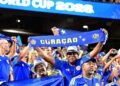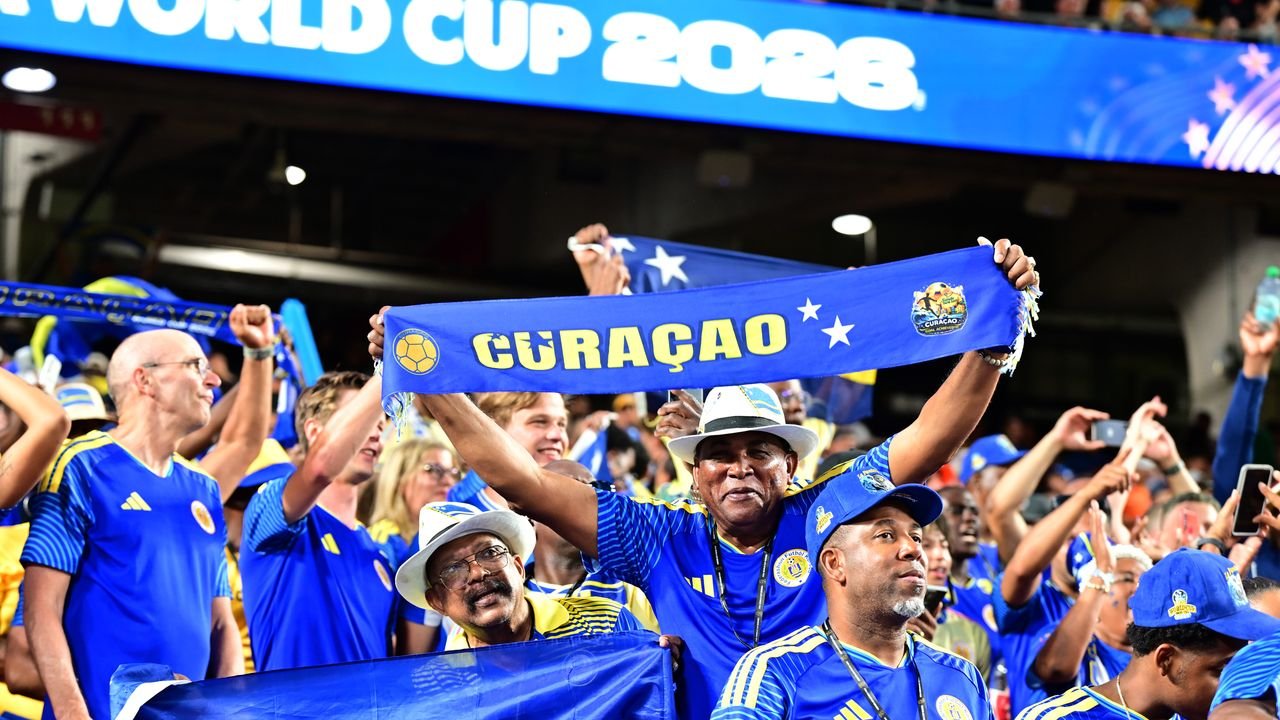
What happens when a relatively overlooked Caribbean island—more recognized for its catamaran tours and snorkeling than for its goal-scoring prowess—qualifies for the FIFA World Cup for the first time in history? And then goes on to score their first-ever goal (against Germany), and tally the team’s first-ever tournament point (a 0-0 draw against Ecuador, kudos to goalkeeper Eloy Room’s record-breaking 15 saves)?
You get international Blue Wave mania.
“There is a real sense of pride across Curaçao right now,” says Gilbert Martina, president of the Curaçao Football Federation. “You can feel that energy across the island. Families are gathering to watch the matches, conversations are happening in cafés and restaurants, and there is a feeling that the world is paying attention to Curaçao in a new way.”
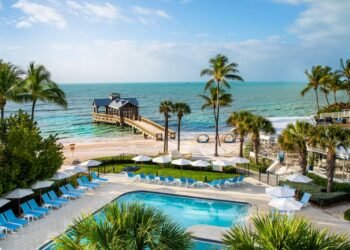
Indeed, as Curaçao prepares to face the Ivory Coast in Philadelphia later today, all eyes are on the small Caribbean nation. With just 158,00 residents, the island off the coast of South America is best known for its pastel colonial architecture, extensive coral reefs, and stretches of golden sands. Now, their international reputation has grown to include the title of World Cup darling.
Nicknamed the Blue Wave, Curaçao’s national unit represents the smallest country by population and land mass to have ever appeared in the world’s largest sporting event. At 171 square miles, it’s roughly the equivalent of New Orleans, Louisiana—albeit lesser known.
In reaching their first World Cup (which expanded from 32 to 48 participating nations this year), Curaçao has been able to showcase its colorful culture, touristic offerings and sporting potential to a largely virgin audience.
Martina, who is also the author of Healthy Minds, Healthy Nation, is a longtime advocate and cultural ambassador for his homeland and believes the island’s resilient spirit currently on display is a result of a fractured past overcome with collective determination.
The nation didn’t always geopolitically exist in the way it does today. Founded in 1954, it was long a part of the Netherlands Antilles—a singular Dutch territory that consisted of six unified islands. In 2010, the antiquated system was formally dissolved, giving way to modern Curaçao as its own autonomous country; yet it remains, along with Aruba and Sint Maarten, within the Kingdom of the Netherlands. In less than two decades since then, they’ve exerted their national willpower, against all logic, through football.