Start trading forex with eToro as your trusted online forex broker.
Almost all seasoned forex traders have been through tough times where multiple losses seem to come out of virtually nowhere. This phenomenon can cause substantial distress, especially among those new to trading forex. If you lack a prudent money management strategy, then losing money in that way could quickly put you out of business.
Professional traders already know that a string of losing trades can occur, so they generally include a money management component in their trading plan to deal with just such an event. A decent forex profit strategy will usually include a position-sizing component and where stop-loss orders should be placed to best manage your risk of loss. Read on for more information on this important topic for forex traders.
Why Do Most Traders Lose Money?
The majority of people who start trading forex lose money, so it’s important to start off on the right foot. The main reasons that traders lose money when trading currencies tend to fall into several categories. The more common of these reasons are listed below.
Lack of Knowledge
Knowledge is power, and nowhere is the saying more true than when trading in the foreign exchange market. Currency valuations and exchange rates depend on economic and geopolitical events in the countries represented by both currencies in a currency pair, so the more informed you are on these subjects, the higher your likelihood of making a profit in foreign exchange.
No Well-Defined Trading Plan
Any seasoned forex trader will advise you to trade with a plan. Trading without a tested and profitable forex trading plan is like starting a long trip without a map; you’ll be directionless in the foreign exchange market, which could cost you a significant amount of money unless you happen to be very lucky.
Emotional Involvement
Emotional involvement with trades is the downfall of many forex traders. While making profits can be emotionally satisfying, most people fear losing money, which makes fear and greed the two most important emotions to control when trading. The most successful traders have a dispassionate attitude towards gains and losses and stick to their trading plan, which avoids getting overly emotional when trading.
Poor Money Management
A money management component to your trading plan is essential to making consistent profits as a trader. To make money forex trading, you typically need to break down your account into trading units and seldom risk more than a certain percentage per trade. Prudent money management, including stop-loss orders, has saved countless traders from ruin.
11 Tips for More Profitable Forex Trading
Most retail forex traders do not make money, so to become one of the profitable ones, you need to start off on the right foot. Benzinga has compiled a list of 11 tips to help improve your chances of trading currencies profitably.
Study Forex Trading
Before you start doing any currency trading, you need to do your homework. This means learning about what moves the forex market and how to operate successfully within it. You’ll also want to develop and test a sensible forex strategy that has a decent chance of helping you trade profitably.
Work with a Reputable Broker
Learn to Trade with a Forex Demo Account
A practice or demo account lets you test out trading ideas and methods without putting actual money on the line. Practice accounts let you learn to trade and can potentially help you avoid losing money from beginner’s mistakes.
Know When to Accept Losses
Sound money management techniques include the need to take small losses from time to time to eliminate the possibility of taking even bigger losses in the future. You can often enter a forex trading position at any market exchange rate and still make money if you know how to get out of the trade properly.
Keep Charts Clean
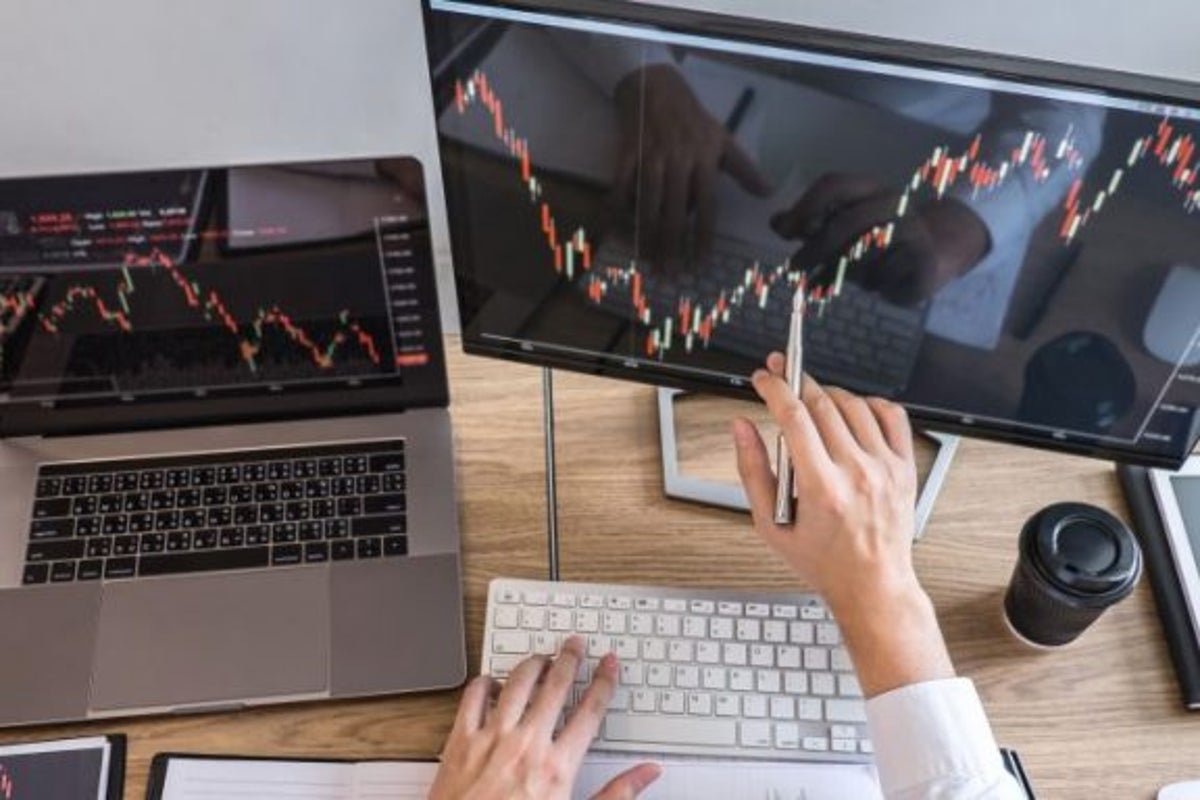
Keeping things simple and effective when you are performing technical analysis means you can generally make faster trading decisions. This practice will not only let you take advantage of more opportunities when trading forex, but it can also prevent losses from getting out of hand and keep trading tools and your forex account organized.
Start Small When Going Live
Practicing in a demo account cannot exactly simulate live trading because of the emotional involvement you experience when your money is at risk. Avoid getting overly confident by putting large sums of money on the line right off the bat since that can result in larger initial losses. Instead, start small when you’re first trading in a live account and progress to trading bigger positions over time as your confidence increases.
Keep Your Emotions Out of It
Your emotional reactions cannot be fully prepared for and understood until you experience trading in a live environment. When you get emotional, you may overlook vital aspects of trading, so do your best to develop an objective trading system to avoid having emotional responses impact your forex trading decisions.
Use Reasonable Leverage
Most experienced traders think of leverage as a double-edged sword since it can magnify profits as well as losses when trading currencies. Make sure you use reasonable leverage ratios when trading, which can vary depending on what sort of trading strategy you use.
Make Record Keeping a Priority
Keeping good records when trading can help you identify reasons why you remain unsuccessful so that you can address them. For example, you might need to alter your trading behavior significantly or update your strategy to account for a change in market conditions. You can keep trading records in a notebook or a spreadsheet, or you can use professionally developed trade journaling software, such as that provided by TraderVue.
Treat Trading Like You’re Running a Business
Keep in mind that individual wins and losses do not matter that much in the short run. To treat your forex trading activities more like a business, you first need to have a plan. You should also focus on how your trading business will perform over time and aim to achieve consistently positive long-term results from a well-defined trading strategy.
Get Educated on Tax Implications
It makes sense to educate yourself on the tax treatment and implications of your forex trading activity so that you are prepared at tax time. This action will help you avoid nasty tax surprises and let you take advantage of advantageous tax laws. Consulting a qualified accountant or tax specialist can help you develop a plan to minimize your tax liability when trading forex.
Knowledge and Planning
To avoid losses in forex trading, traders need knowledge, a trading plan, emotional control and money management. They should study forex trading, work with reputable brokers and practice with demo accounts. Traders should accept small losses, keep charts clean, start small when going live and control emotions. Using reasonable leverage, maintaining good record-keeping practices, treating trading as a business and being aware of tax implications also contribute to long-term profitability. Following these tips can increase your chances of success in the forex market.
Benzinga’s Top Forex Trading Platforms
To trade forex online as a retail trader, you will need to use a forex trading platform supported by an online forex broker. Benzinga has taken some of the guesswork out of selecting a decent currency trading platform by creating the following comparison table listing some top forex trading platforms.
-
Spread bets and CFDs are complex instruments and come with a high risk of losing money rapidly due to leverage. 75% of retail investor accounts lose money when trading spread bets and CFDs with this provider. You should consider whether you understand how spread bets and CFDs work, and whether you can afford to take the high risk of losing your money.
-
86% of retail investor accounts lose money when trading CFDs with this provider. You should consider whether you can afford to take the high risk of losing your money.
-
eToro USA LLC; Investments are subject to market risk, including the possible loss of principal. CFD trading is not available to U.S. users and 77% of retail CFD accounts lose money.
-
-
Best For
Non US Forex Trading
-
Best For
Investors interested in 0% commission or eco conscious trading
CedarFX is not regulated by any major financial agency. The brokerage is owned by Cedar LLC and based in St. Vincent and the Grenadines.
Frequently Asked Questions
Q
Can I lose all my money in forex?
A
If you put money at risk by taking a position in a forex trading account, and the market moves against you, then you can lose all of that deposited money. If your account does not have negative balance protection, then you may even owe additional money to your forex broker depending on where your losing trades were automatically closed out.
Q
Do Forex brokers want you to lose?
A
It depends. Forex brokers that also operate as market makers can benefit financially from the market moving against any positions you establish that would cause you to lose money. In contrast, online brokers that use a straight-through processing, and electronic communication network models tend to benefit more from you making money since that means you might continue trading, which will result in you paying them commissions and widened dealing spreads over time.
Q
Can you earn a living day trading?
A
Most professional day traders operating at major financial institutions make money for their employers, and they get paid a decent salary and a performance-related bonus for doing so. Some retail traders might manage to earn a living from day trading but most do not.